
Last updated June 2026
Full Image Gallery at the bottom of page.
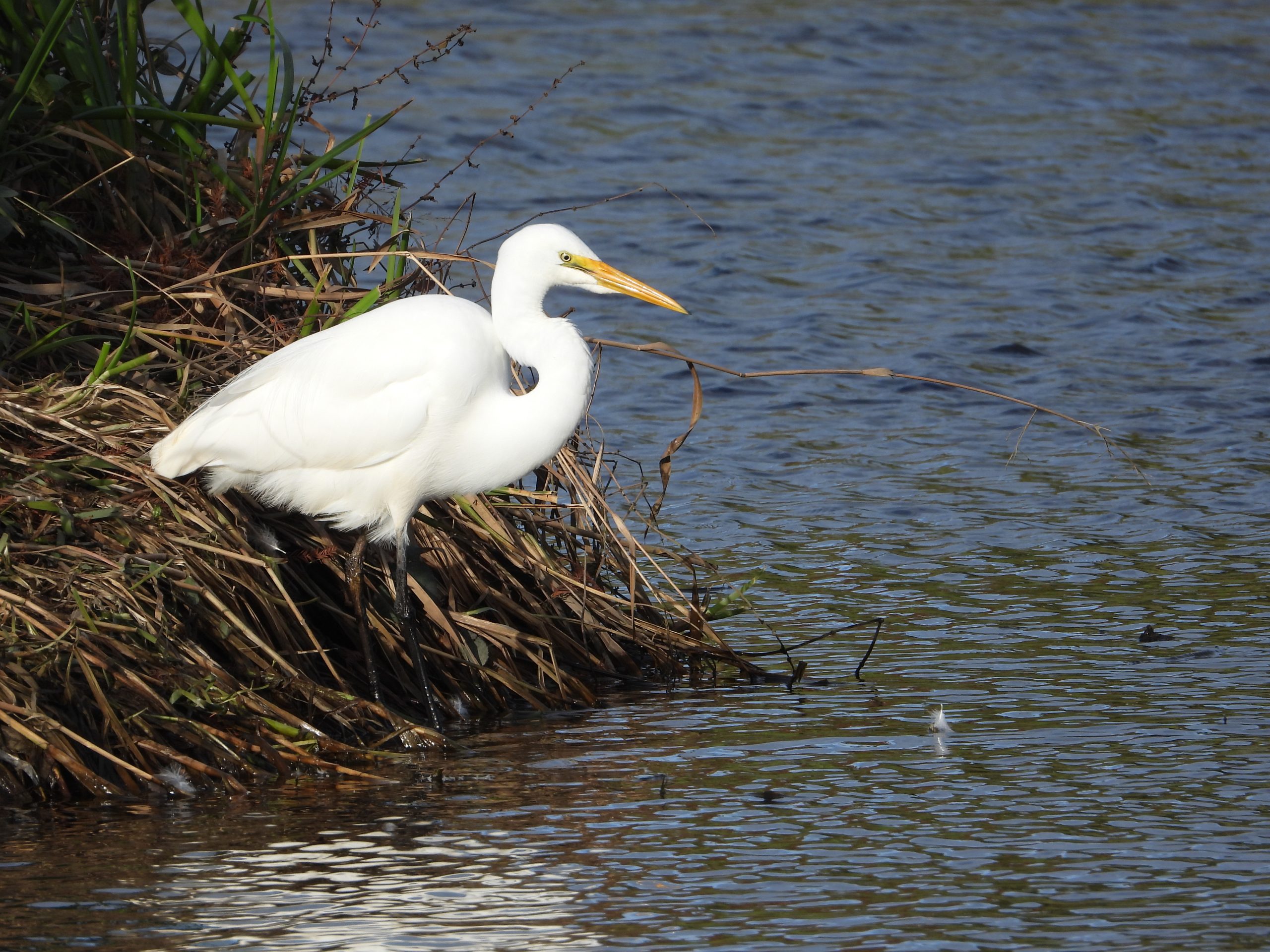
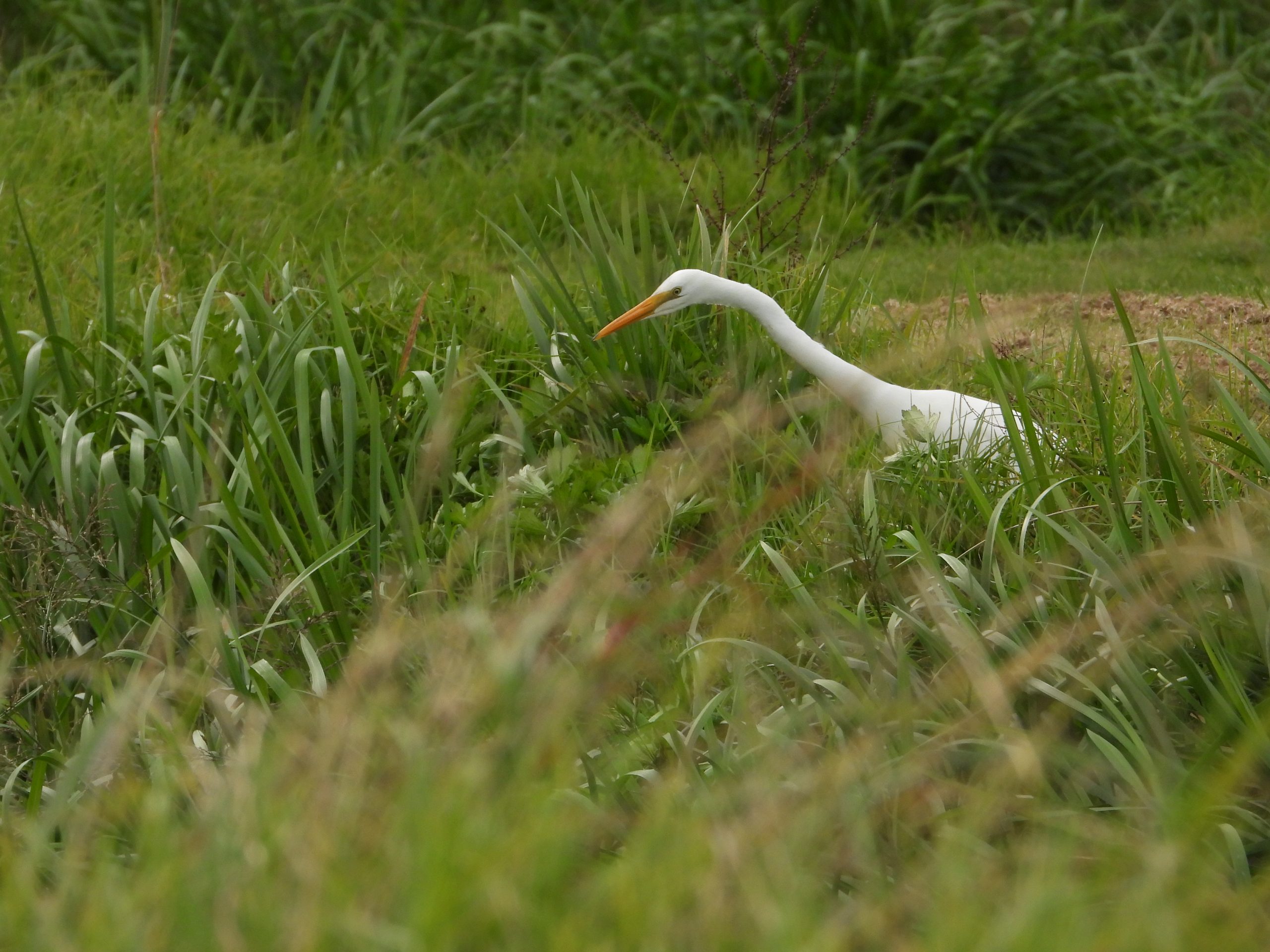
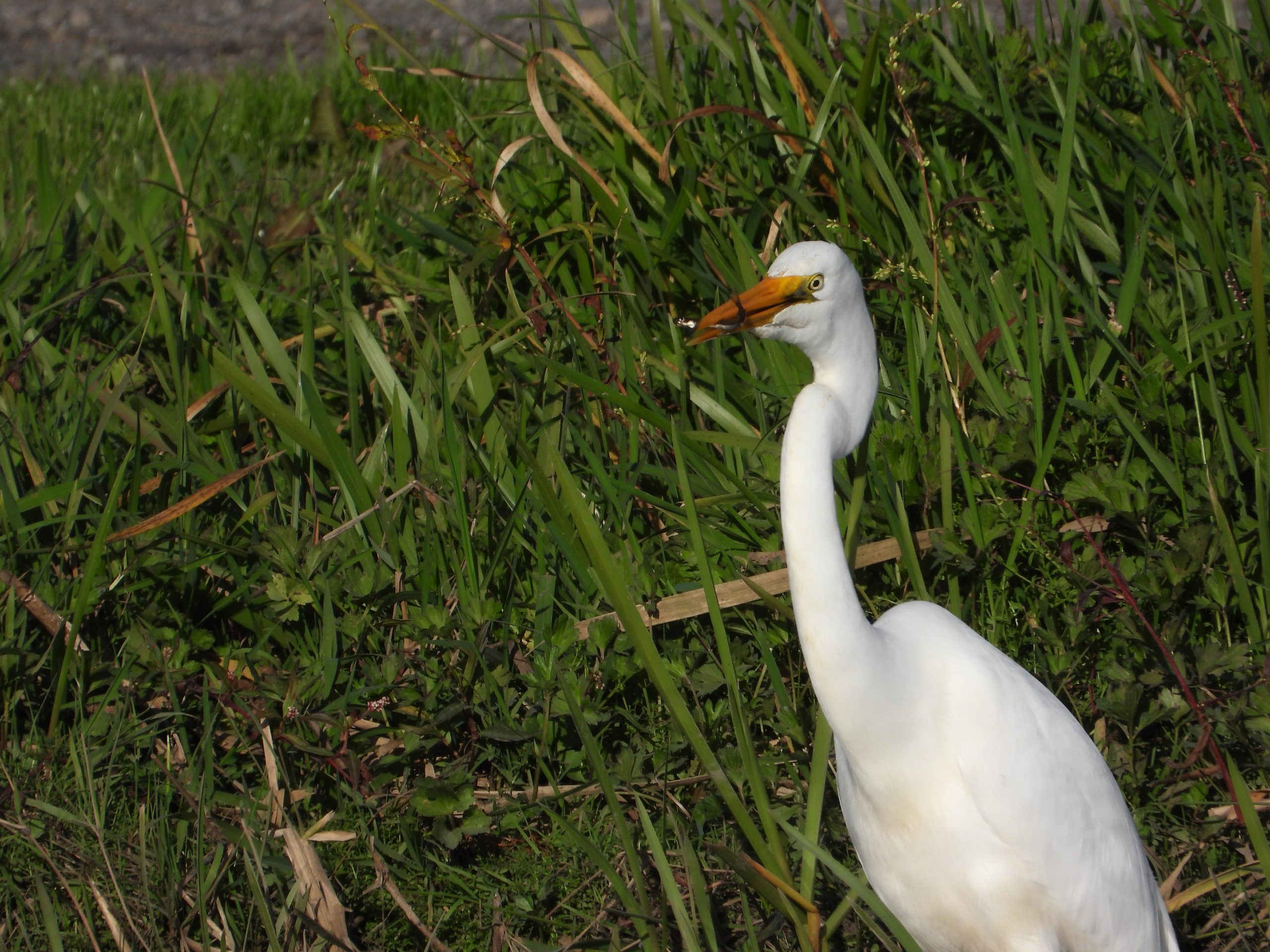
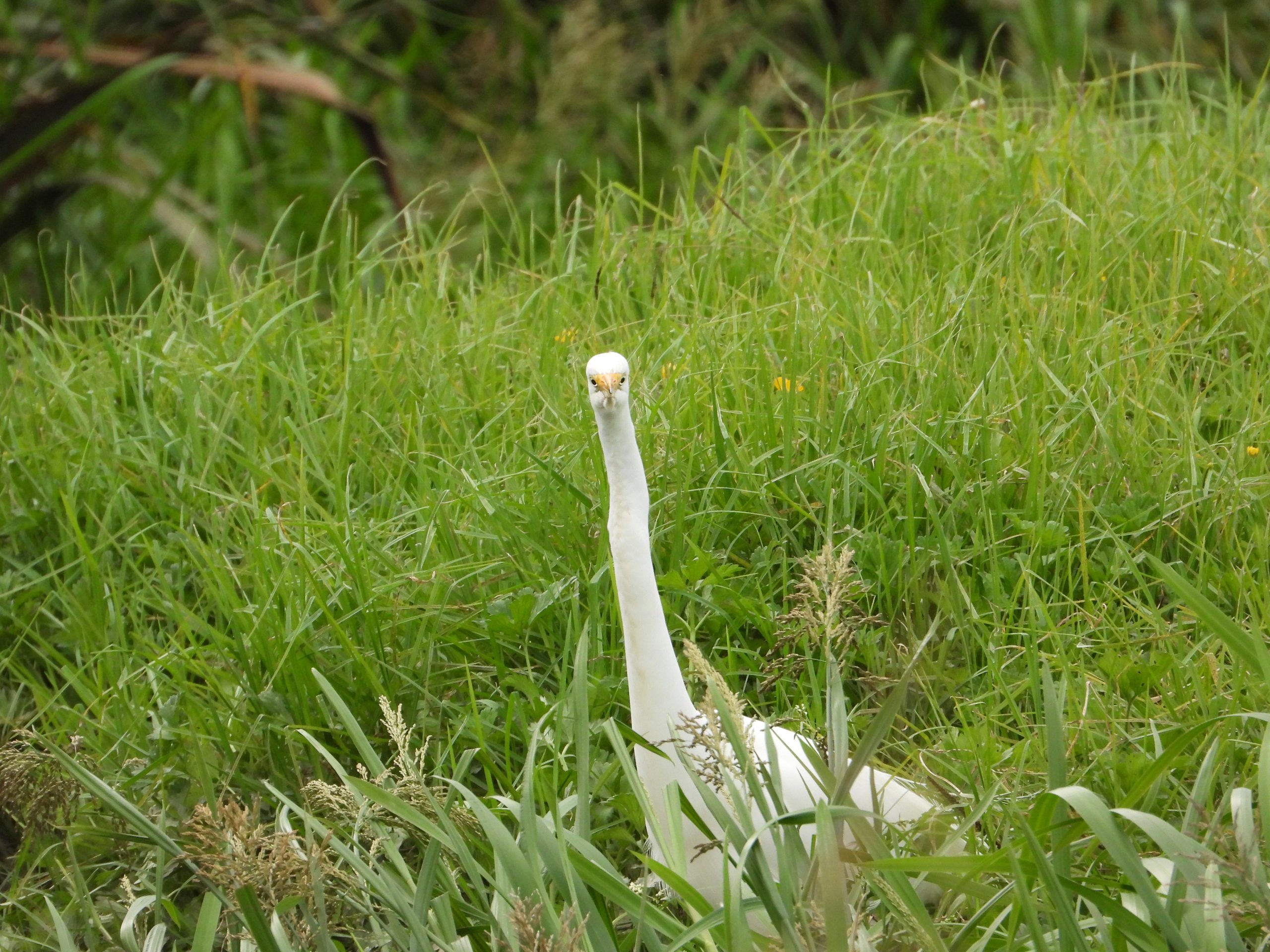
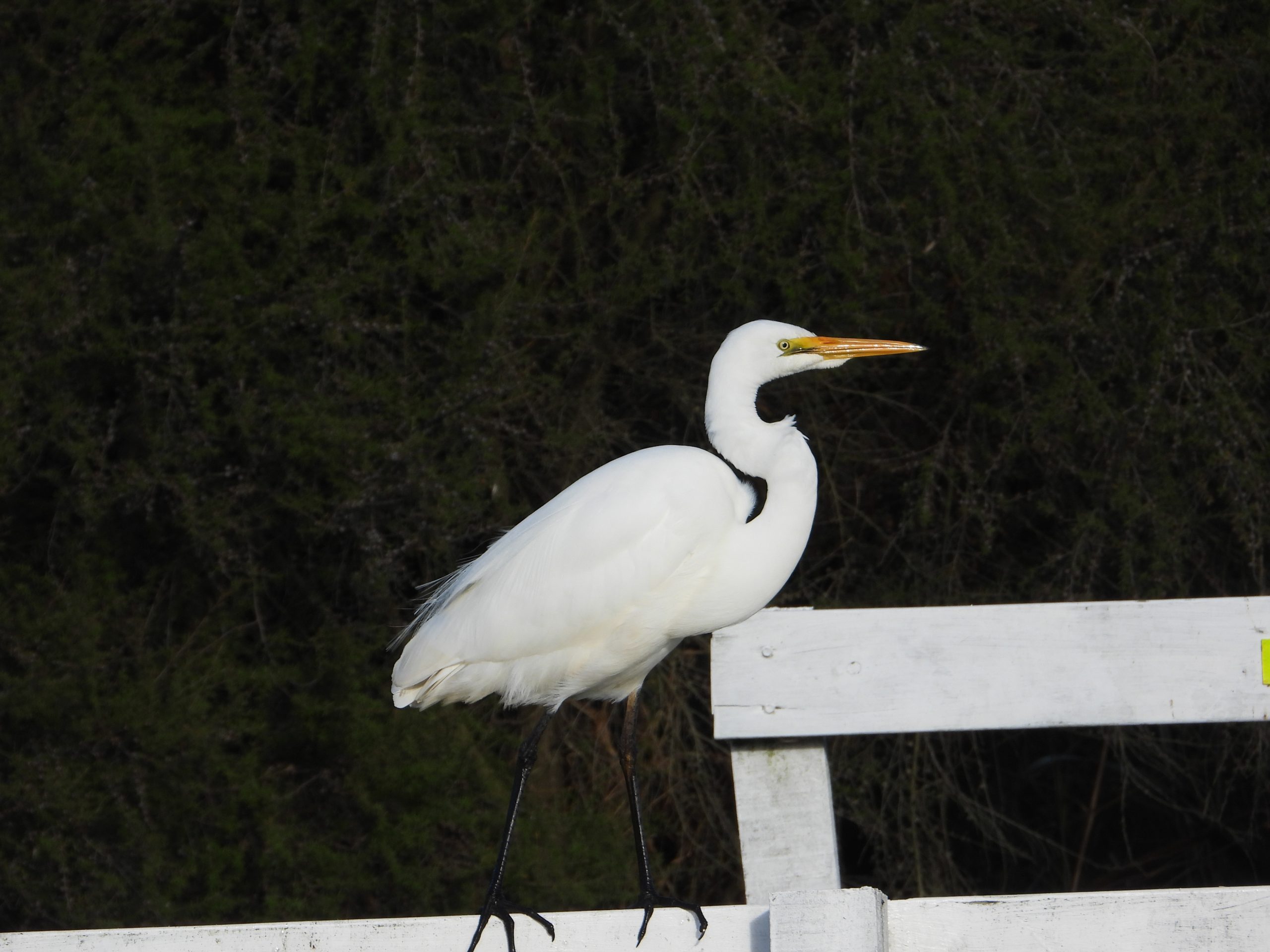
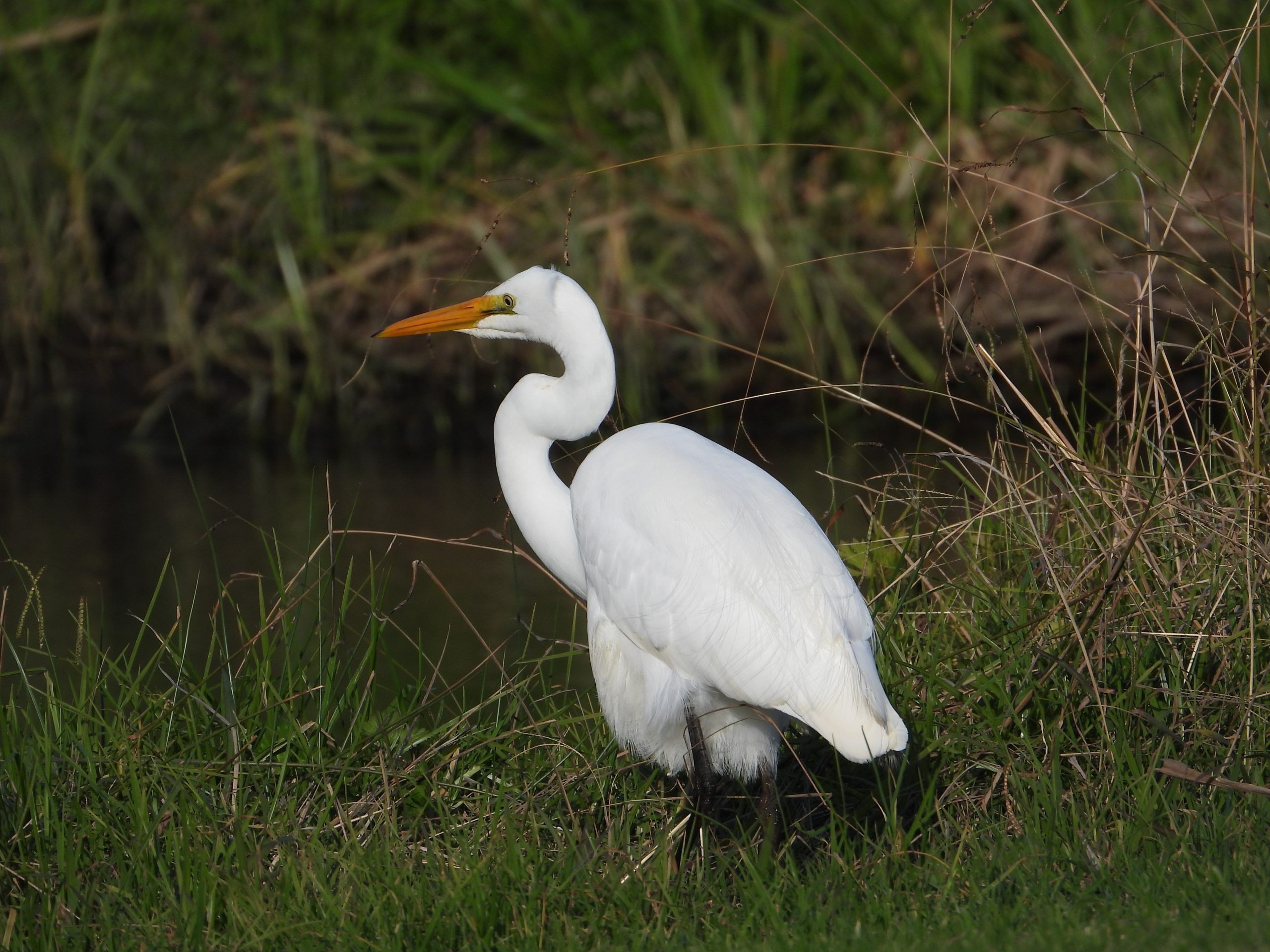
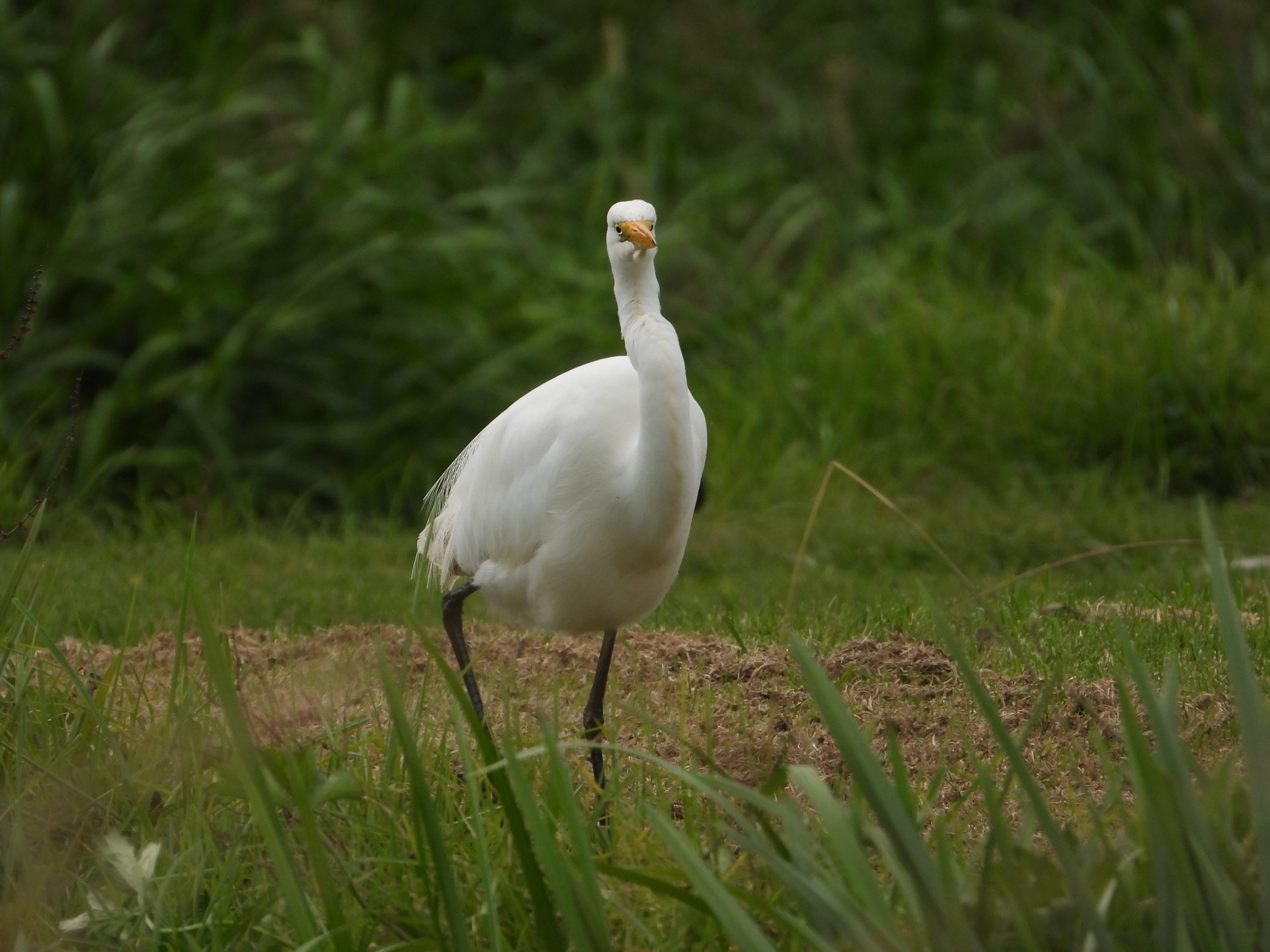
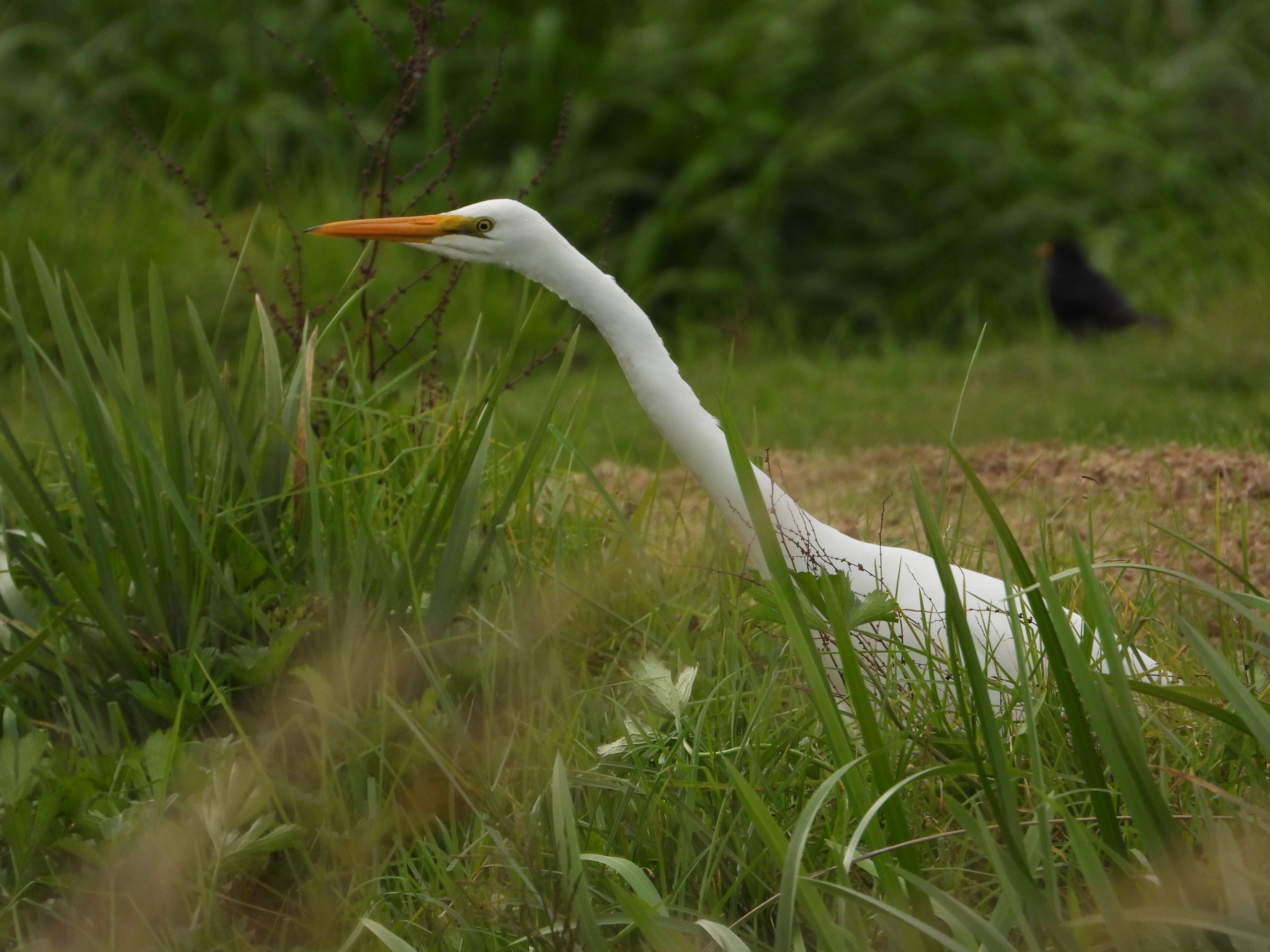
The White Heron (kōtuku) is a rare and culturally significant bird in New Zealand, occasionally spotted in Tauranga’s wetland areas. These elegant wading birds are nationally critical, with a small stable population that breeds exclusively at one South Island site before dispersing.
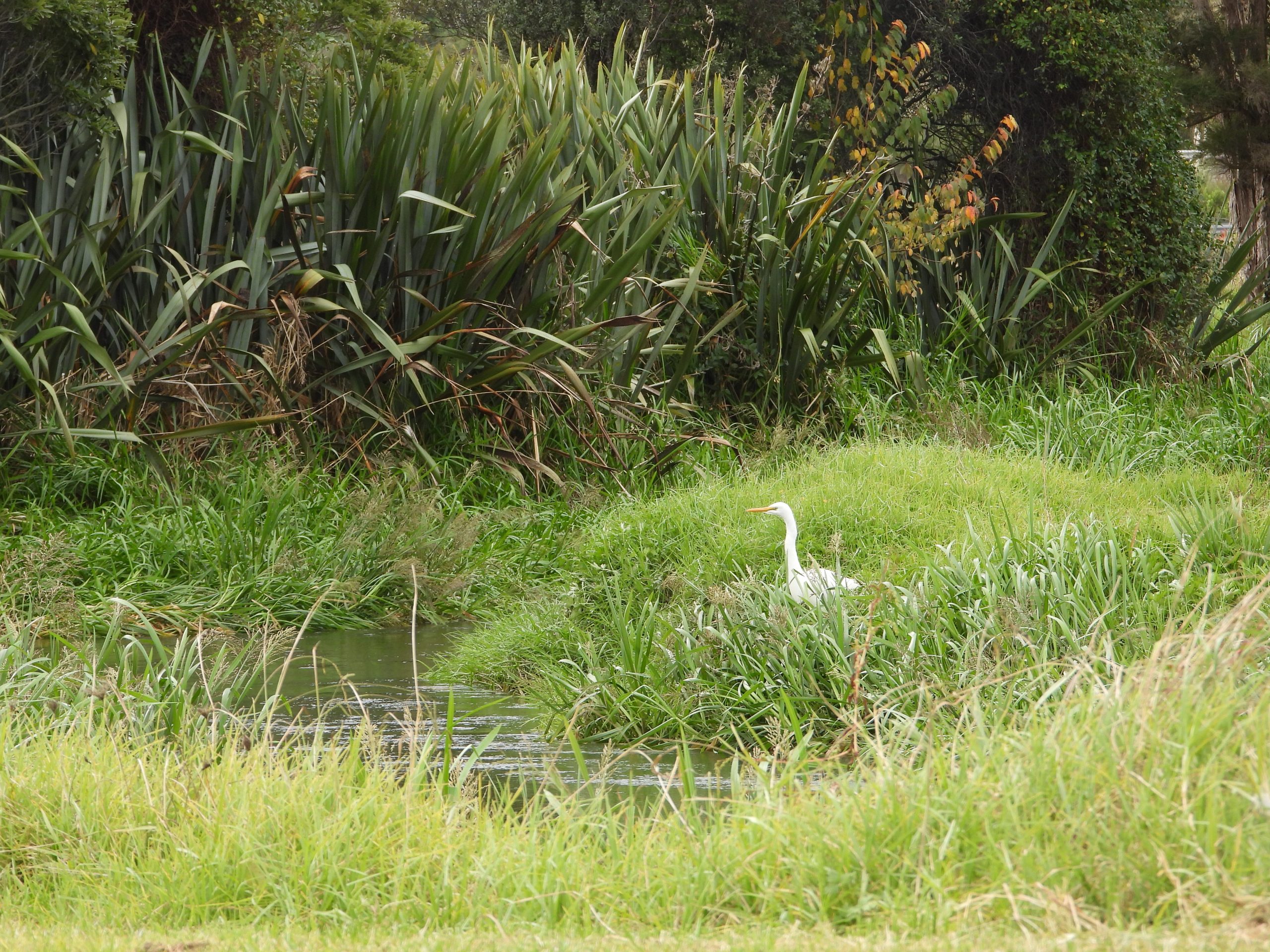
Tauranga’s restored wetlands, including Kopurererua Reserve, provide feeding grounds that attract occasional visitors outside the breeding season. Sightings remain sporadic due to the bird’s limited numbers and specific habitat needs. Local conservation efforts support biodiversity and increase the chances of these memorable encounters for birdwatchers and photographers.
Practical Information
- Location
- Kopurererua Reserve and Tauranga Harbour estuaries, Tauranga
- Best time for sightings
- Outside breeding season (March–August); early morning or late afternoon
- Access
- Public reserves with walking tracks; free entry
- Facilities
- Basic paths and viewing areas; limited parking at reserves
- Conservation status
- Nationally Critical (Department of Conservation)
- Population
- Approximately 100–200 birds nationwide
About the White Heron in Tauranga
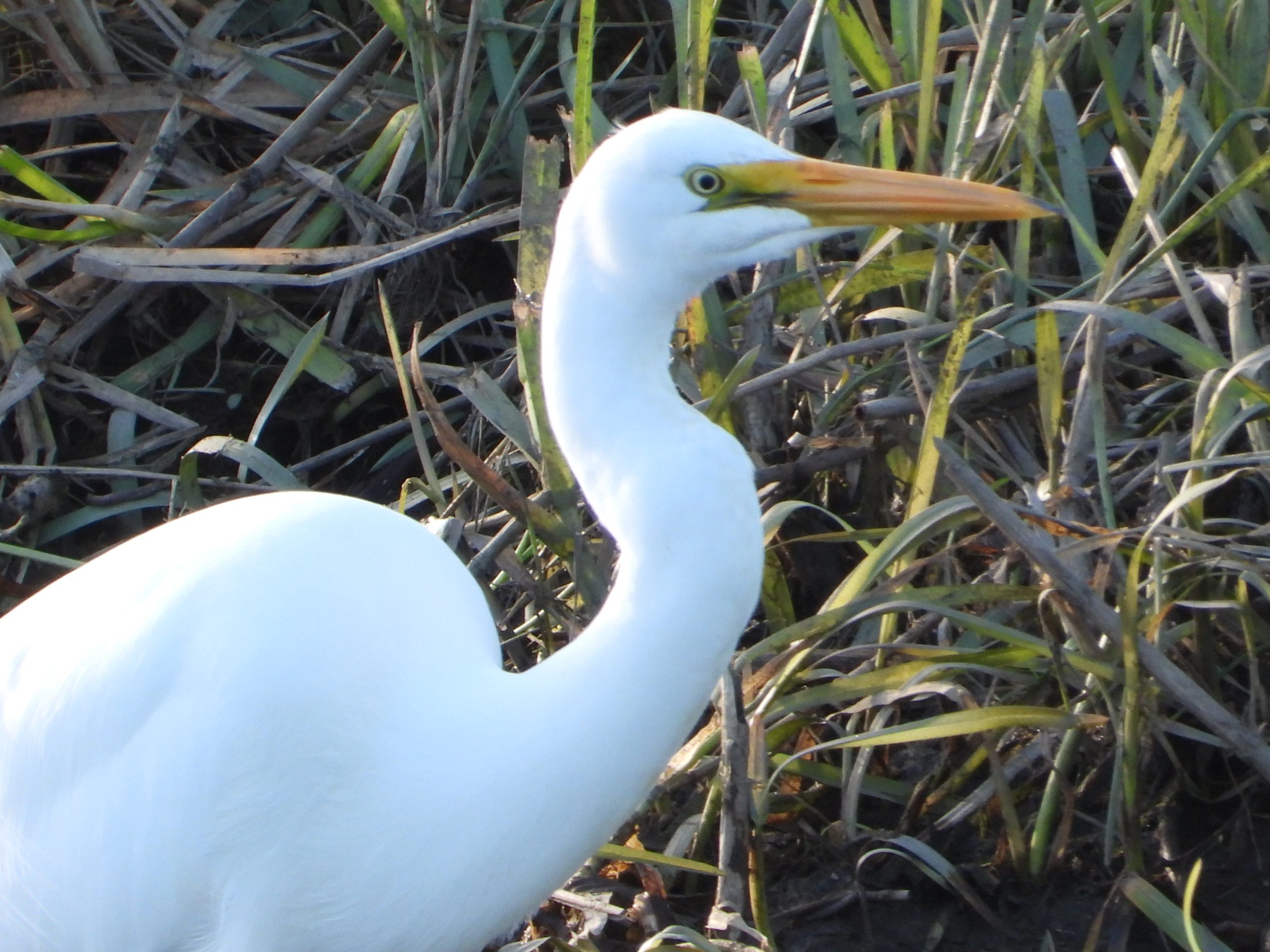
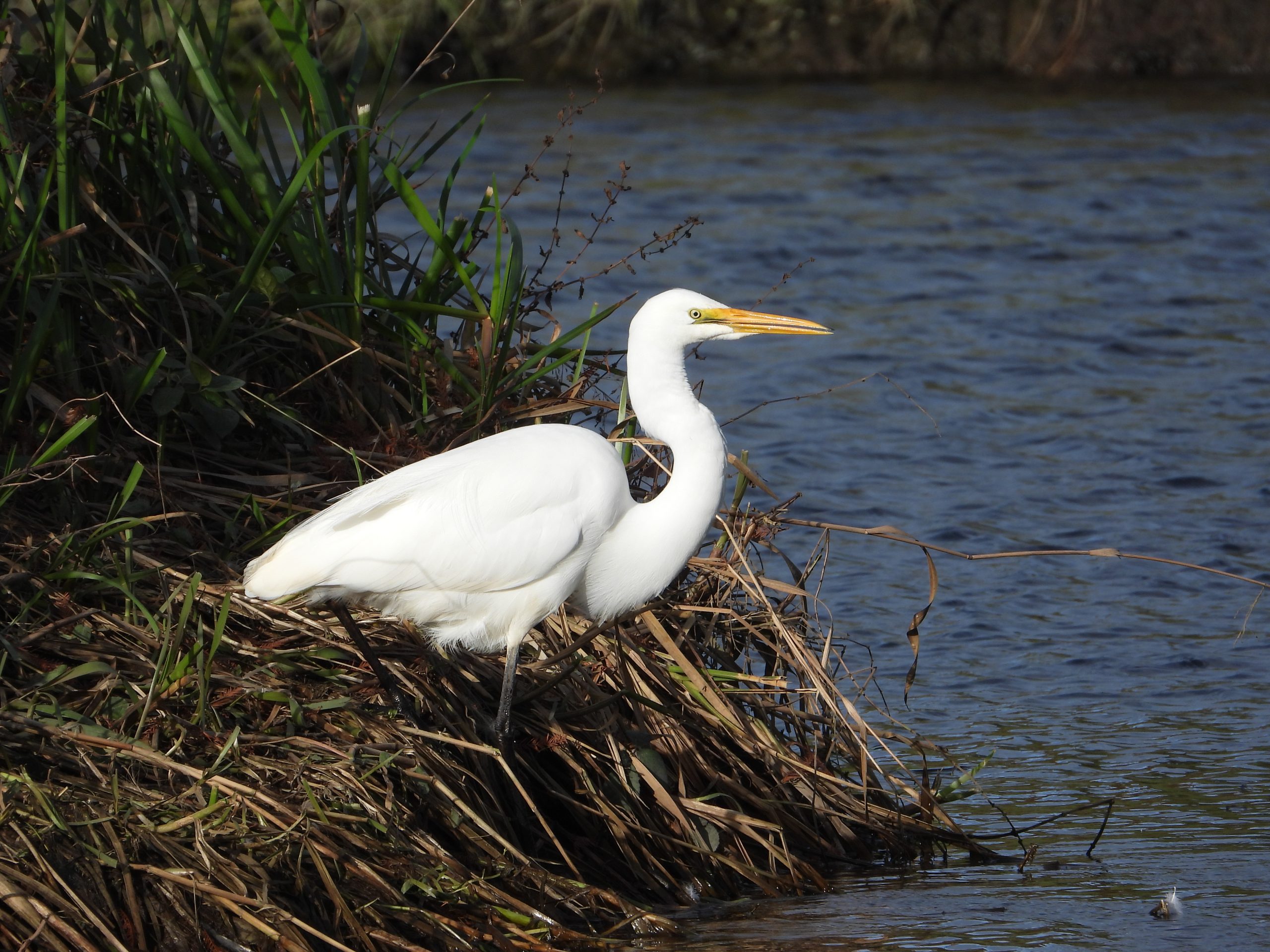
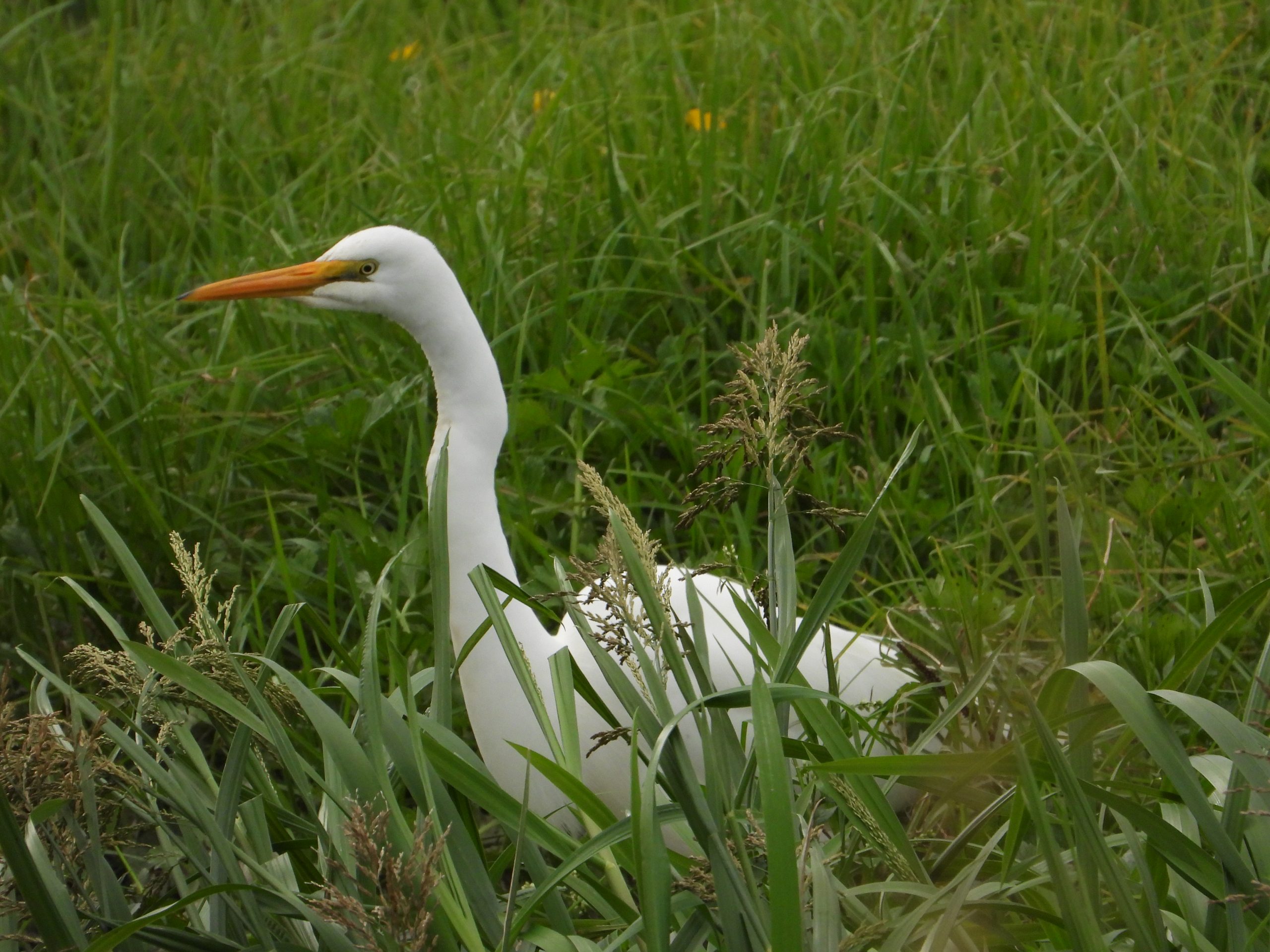
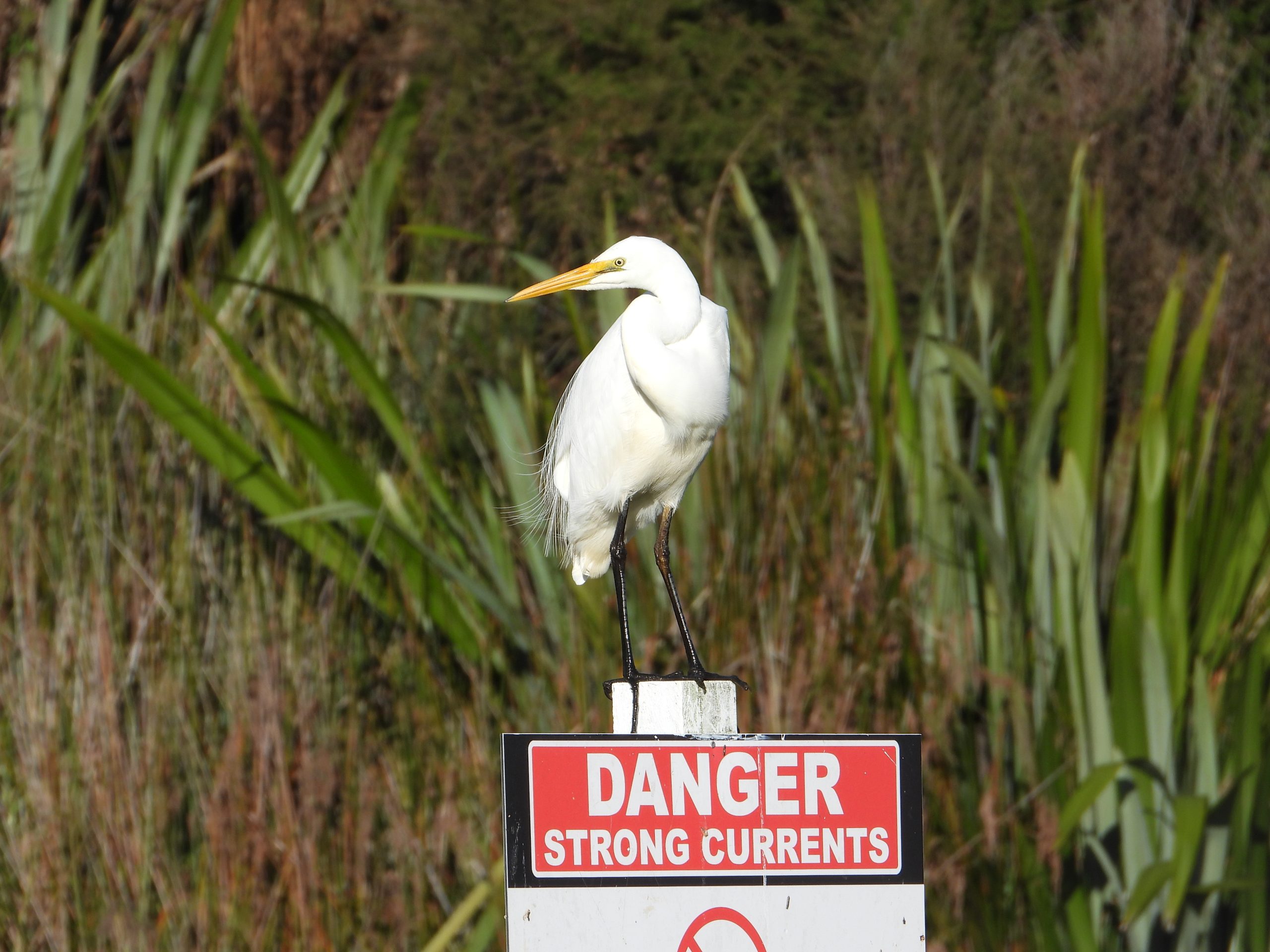
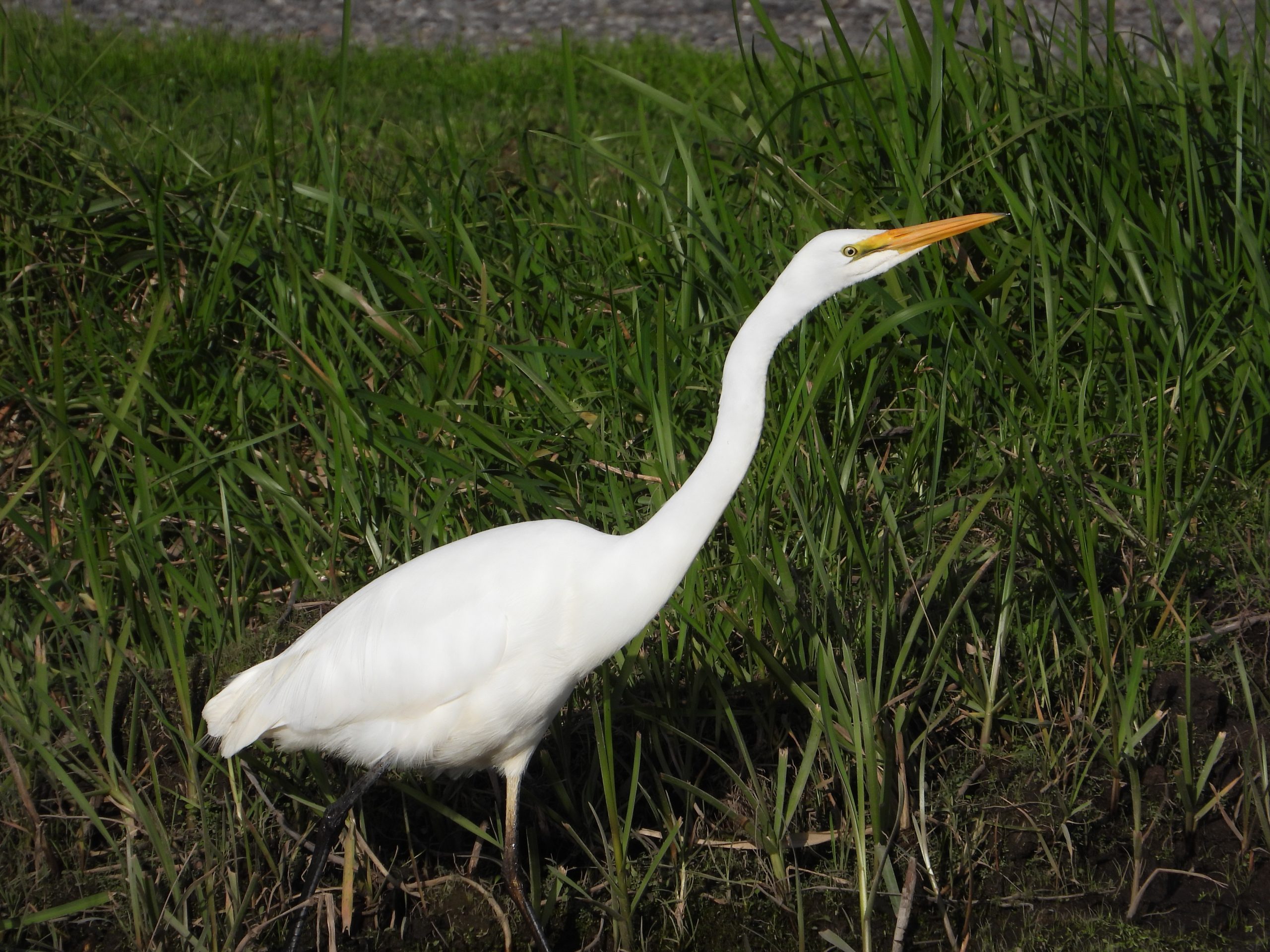
The White Heron, known as kōtuku in te reo Māori, is a large graceful bird with pure white plumage, a slender S-shaped neck, long legs, and a pointed yellow bill.
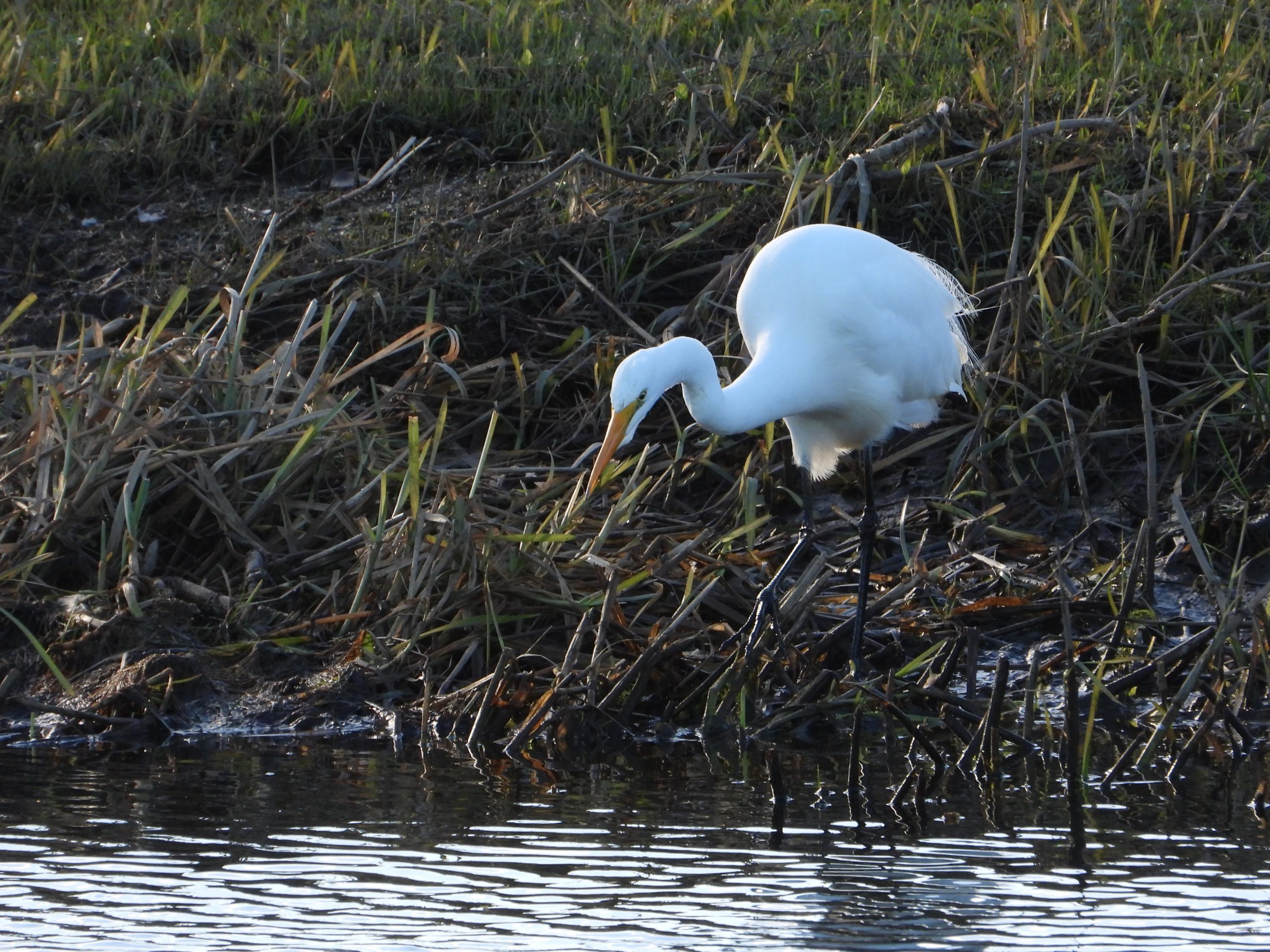
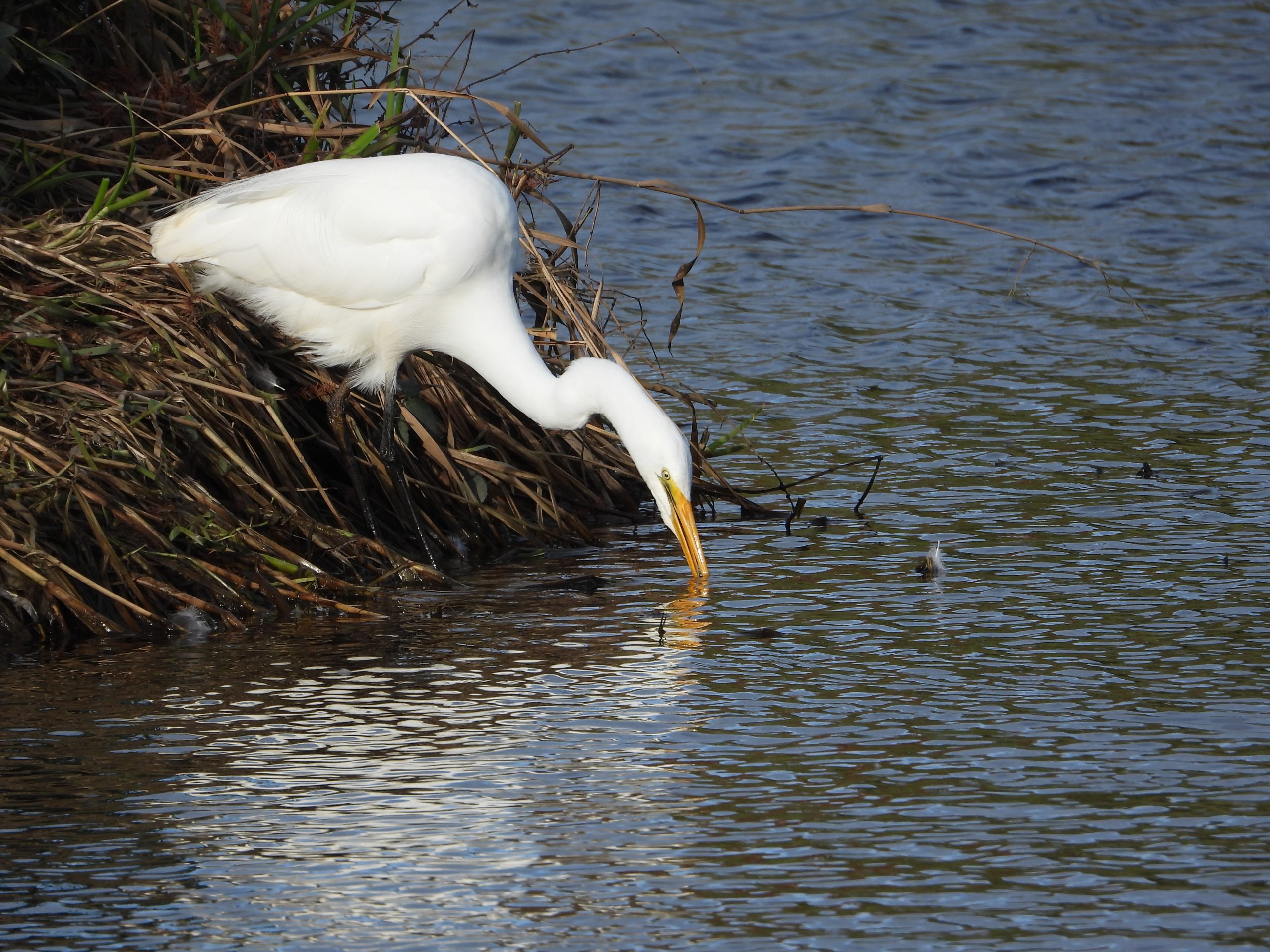
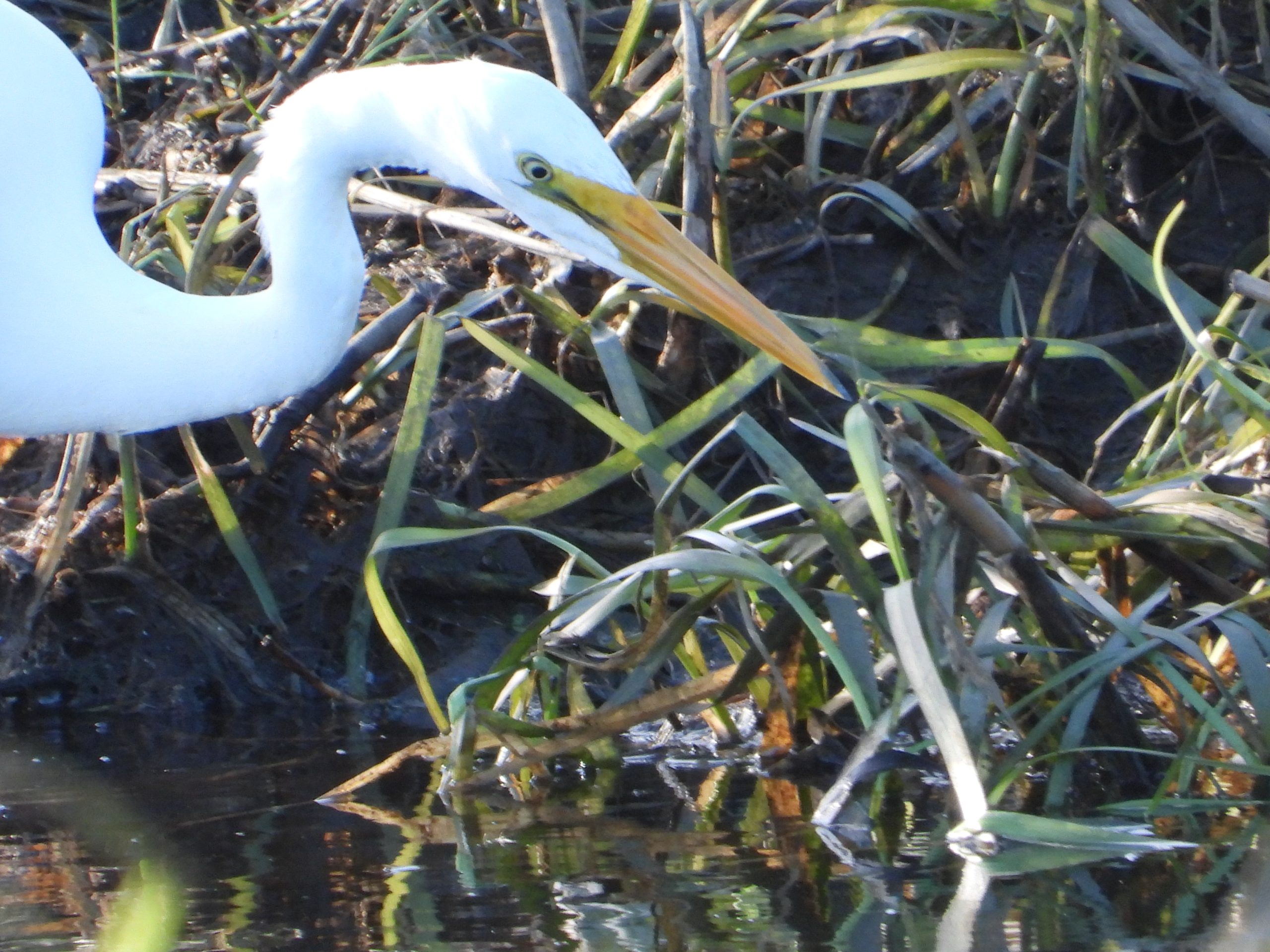
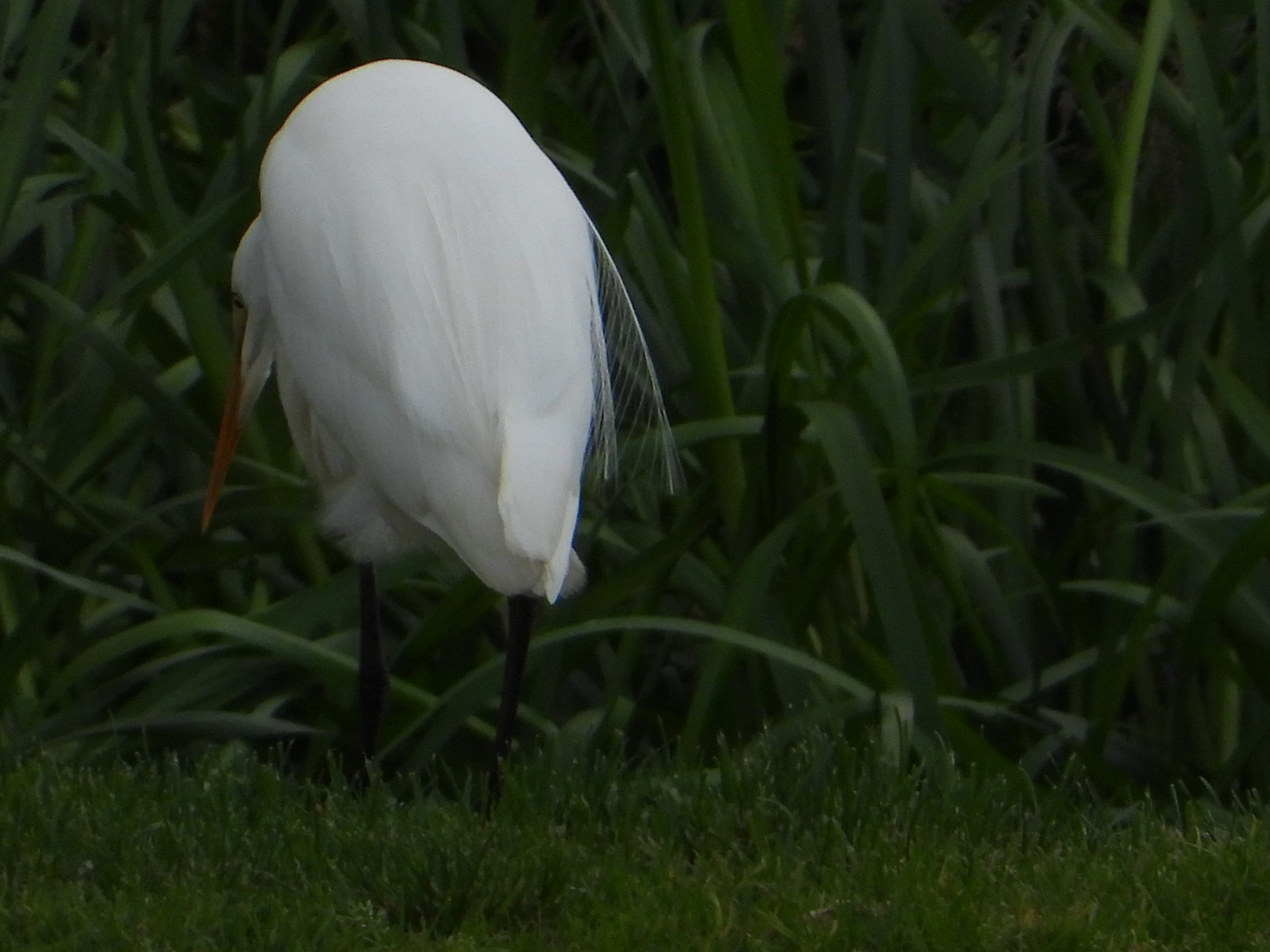
Adults develop elegant plumes during breeding season. It stands about 90 cm tall with a wingspan reaching up to 170 cm. Its diet consists mainly of fish, frogs, insects, and crustaceans, captured through patient wading and quick strikes in shallow water.
In New Zealand the species breeds only at the Waitangiroto Nature Reserve near Whataroa on the South Island’s west coast. After breeding, some birds disperse to North Island wetlands, leading to occasional sightings in Tauranga. The bird holds deep cultural significance for Māori as a symbol of rarity, prestige, and beauty, often referenced in proverbs.
Tauranga’s urban wetland restoration projects have created suitable feeding habitats. Kopurererua Reserve is a key site where sightings have been recorded, alongside estuarine areas of Tauranga Harbour, Waikareao Estuary, Waimapu Estuary, and Te Puna Wetlands. These locations offer shallow waters rich in prey and relative seclusion.
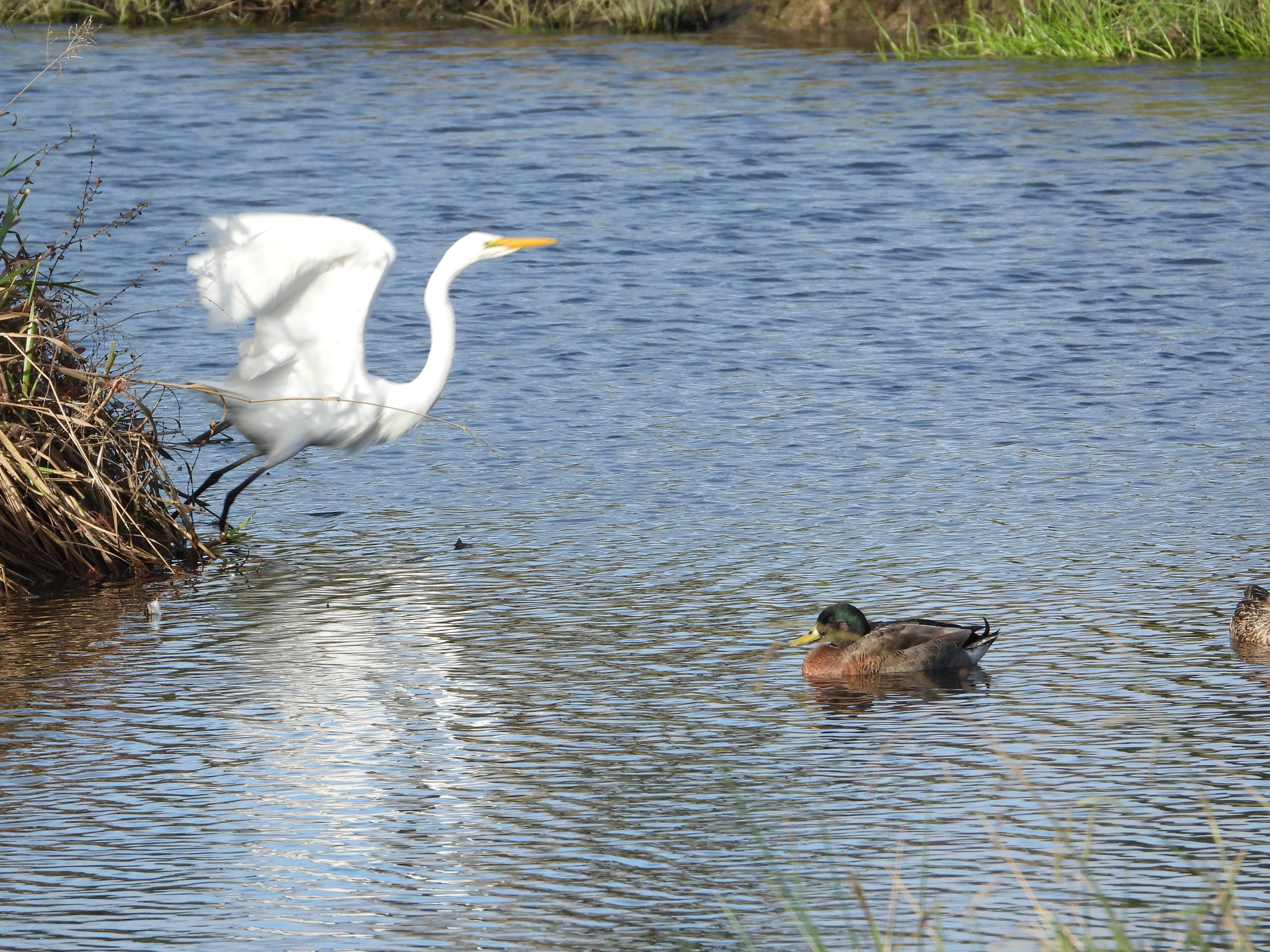
White Herons are typically solitary foragers but may join other waterbirds such as kingfishers, pied stilts, and pūkeko. They are sensitive to disturbance, so quiet observation from a distance is recommended. Continued wetland protection by Tauranga City Council and the Department of Conservation helps maintain these habitats amid urban growth.
How to Spot a White Heron
Early mornings or late afternoons offer the best chances, when birds are most active in cooler conditions. Focus on shallow wetland edges and tidal pools within reserves.
Approach slowly, maintain distance, and use binoculars or a telephoto lens (300 mm or longer) for photography. Overcast days provide good lighting without harsh shadows. Bright midday sun is usually avoided by the birds.
Other wildlife commonly seen includes paradise shelducks, native plants such as flax, raupō, and cabbage trees that support the ecosystem. Educational programmes and monitoring by local groups raise awareness of wetland conservation.
Why Sightings Remain Rare
The national population is small and confined to a single breeding colony, making dispersal sightings exceptional. Habitat loss, pollution, and sensitivity to disturbance further limit opportunities. Each verified sighting in Tauranga highlights the value of ongoing restoration work that provides safe feeding grounds for this nationally critical species.
Where to Learn More
Department of Conservation: Official information on kōtuku status, breeding, and conservation.
eBird: Bird observation records for Kopurererua Reserve and surrounding areas.
New Zealand Birds Online: Detailed species profile including distribution and threats.
Frequently Asked Questions
Where is the only breeding site for kōtuku in New Zealand?
The sole breeding colony is at Waitangiroto Nature Reserve near Whataroa on the South Island’s west coast.
What is the conservation status of the White Heron?
It is classified as Nationally Critical, with a small stable population of approximately 100–200 birds.
Are White Herons commonly seen in Tauranga?
Sightings are rare and sporadic, mainly in wetland reserves and estuaries outside the breeding season.
What is the best time of day to look for kōtuku?
Early mornings and late afternoons are ideal when the birds are most active in shallow waters.
Is Kopurererua Reserve open to the public?
Yes, the reserve offers public walking tracks and is free to visit.
What other birds might be seen alongside White Herons?
Kingfishers, pied stilts, pūkeko, and paradise shelducks are frequently observed in the same habitats.
Why are sightings considered special?
The limited population and single breeding site make any North Island appearance a notable event for birdwatchers.
How can visitors help protect these birds?
Stay on paths, keep dogs under control, maintain distance, and support local wetland restoration initiatives.
For more birdwatching opportunities in Tauranga, see related stops throughout the different Tauranga walking tracks.
You may also like
Spotted something incorrect on this page? Let us know.