
Last updated June 2026
Full Image Gallery at the bottom of the page.
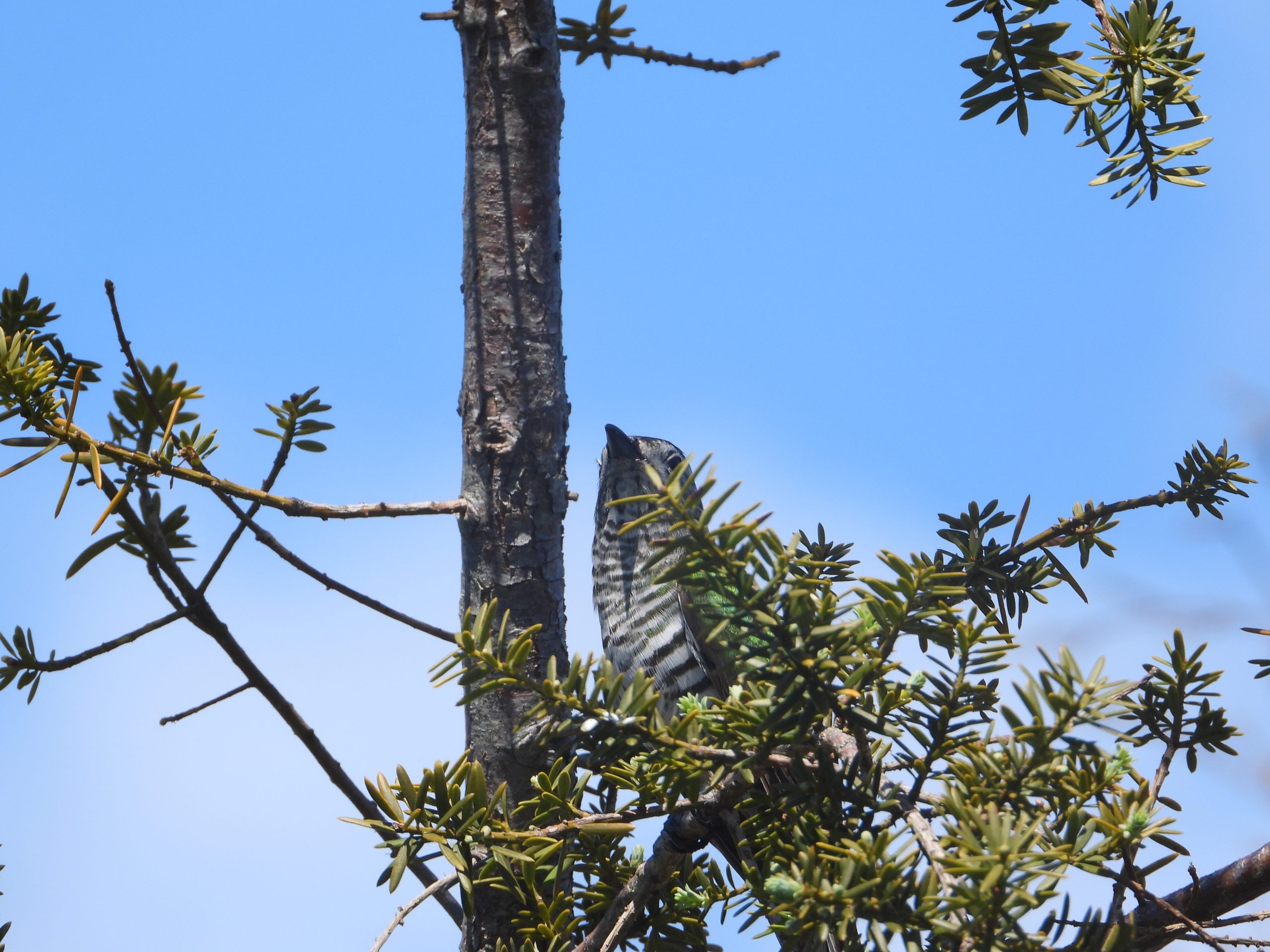
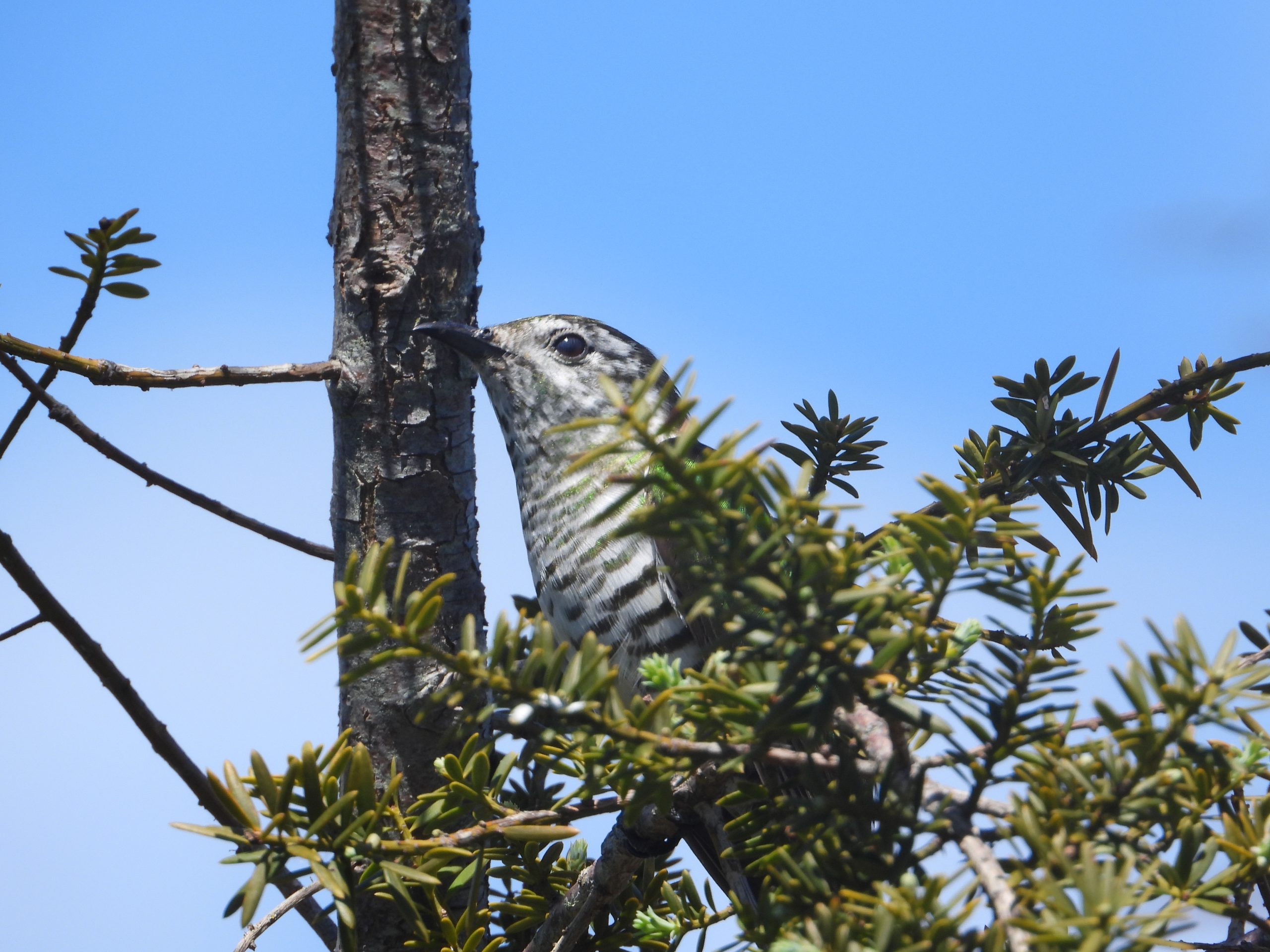
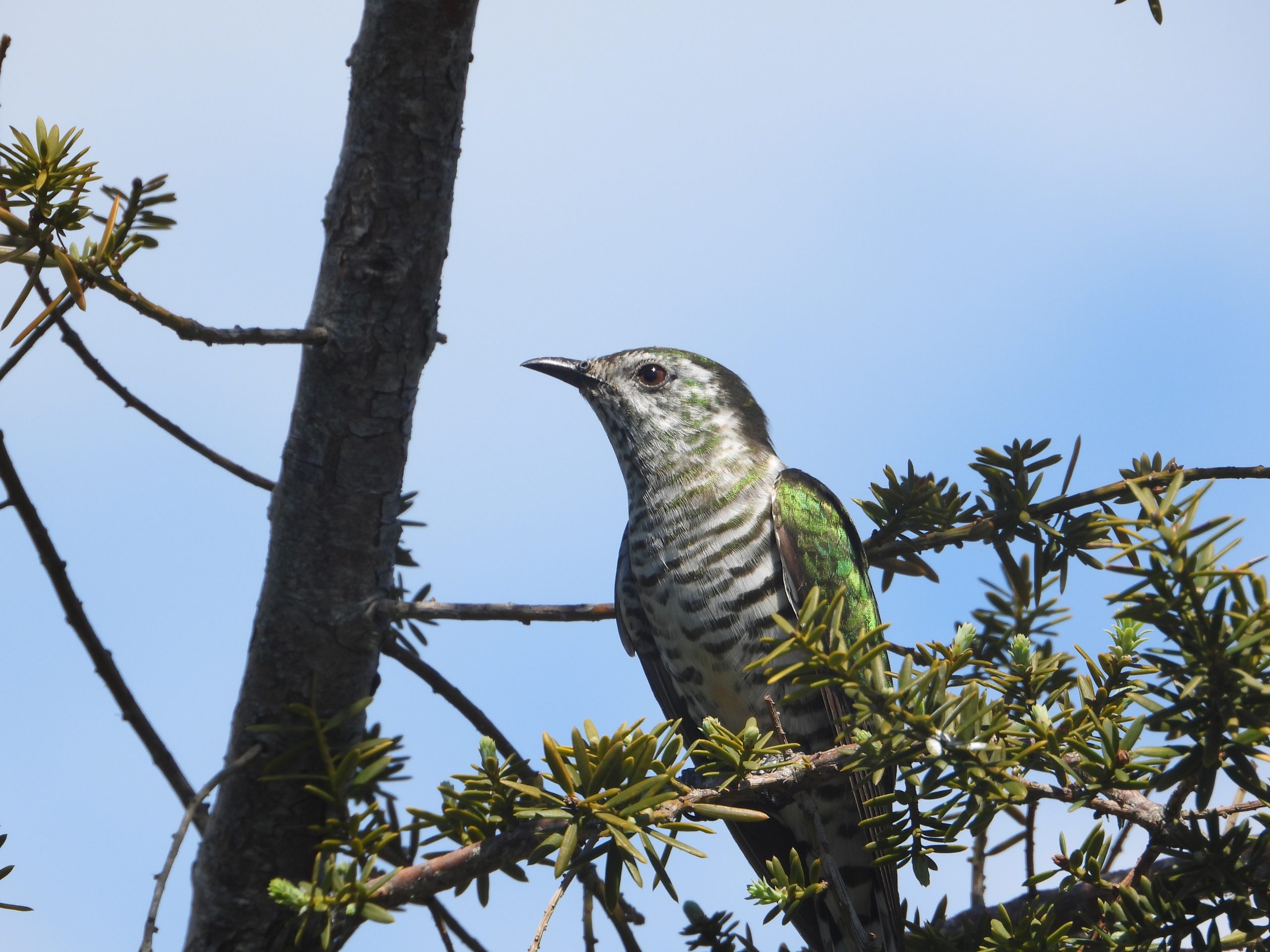
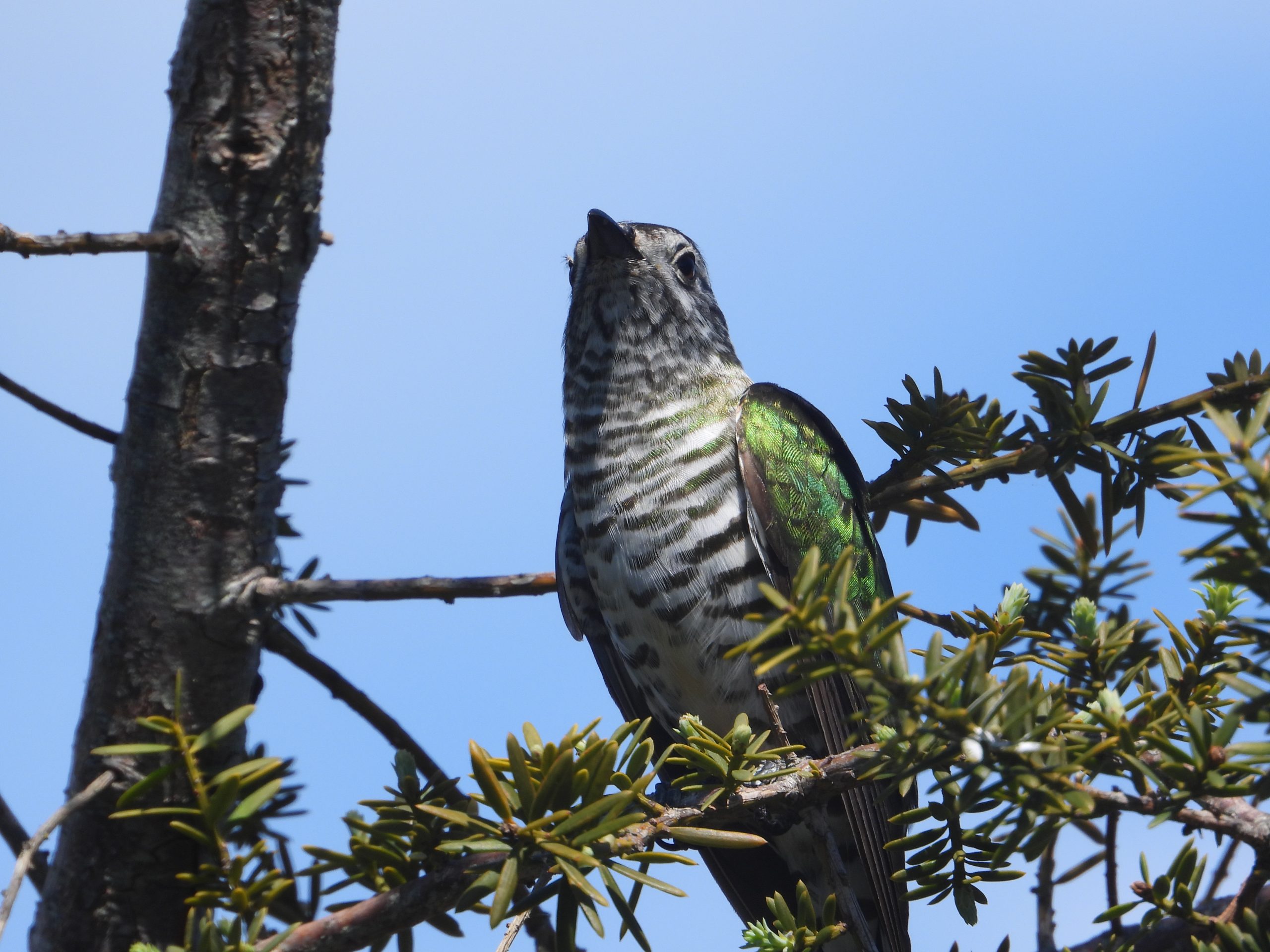
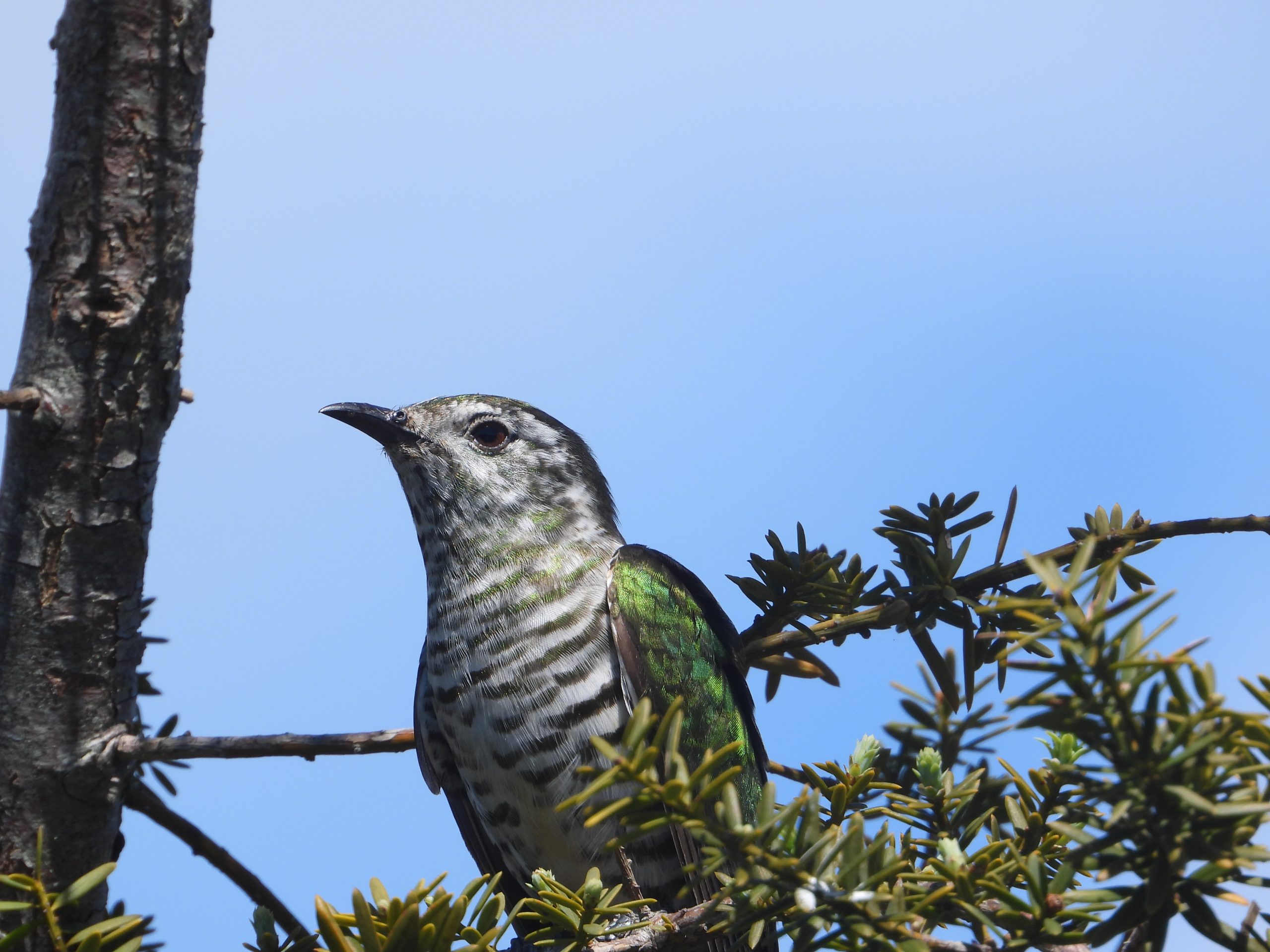
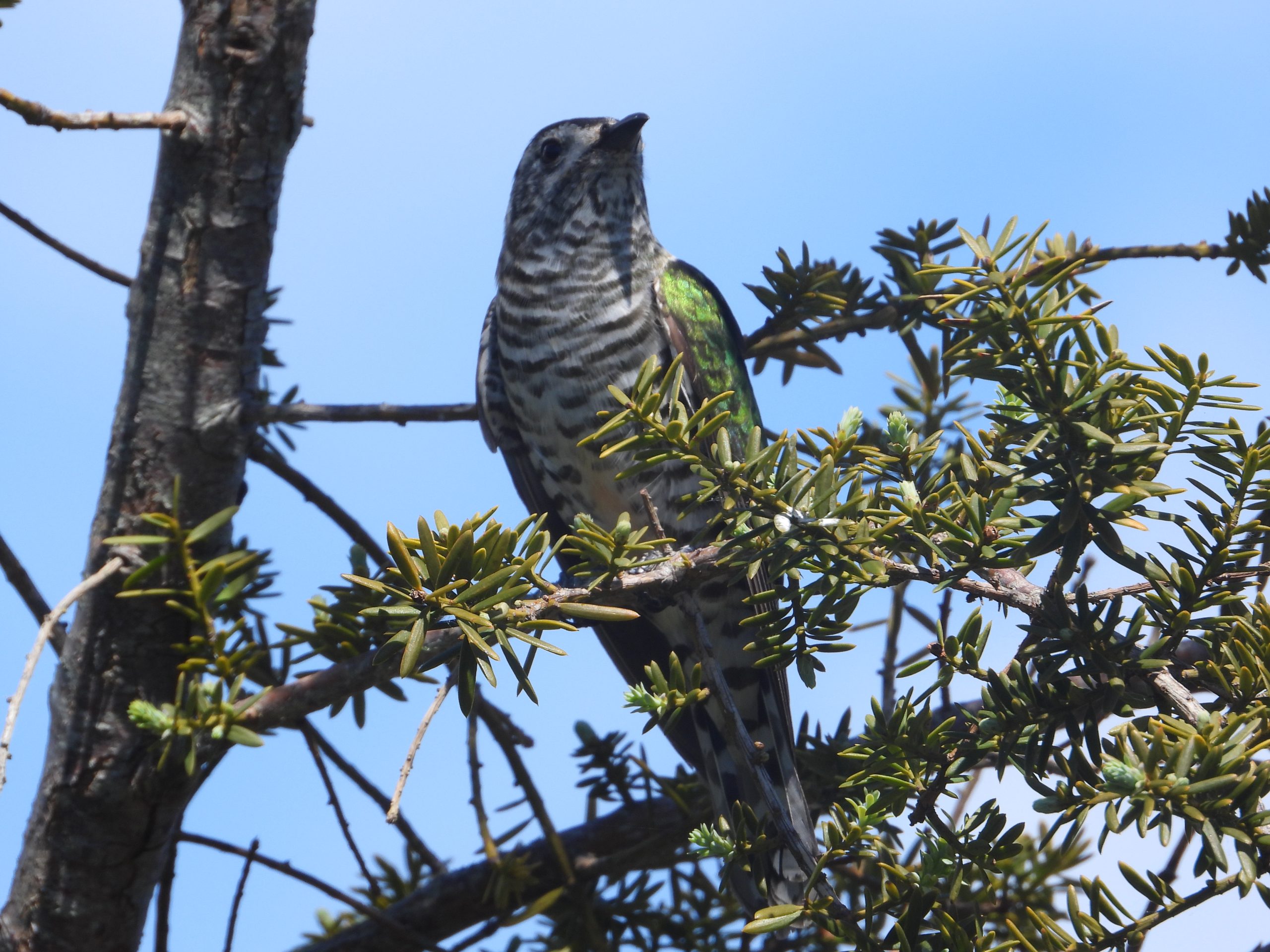
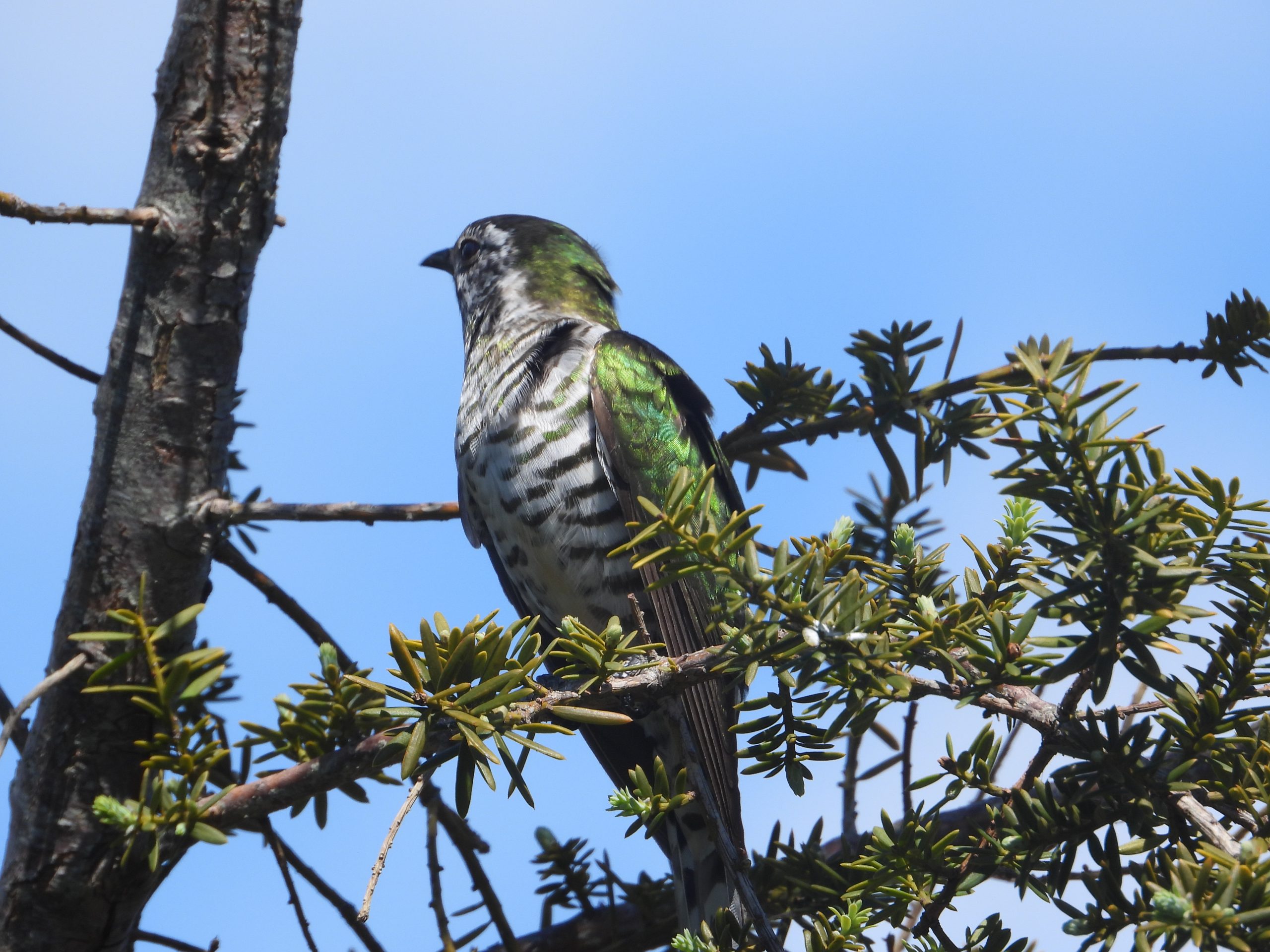
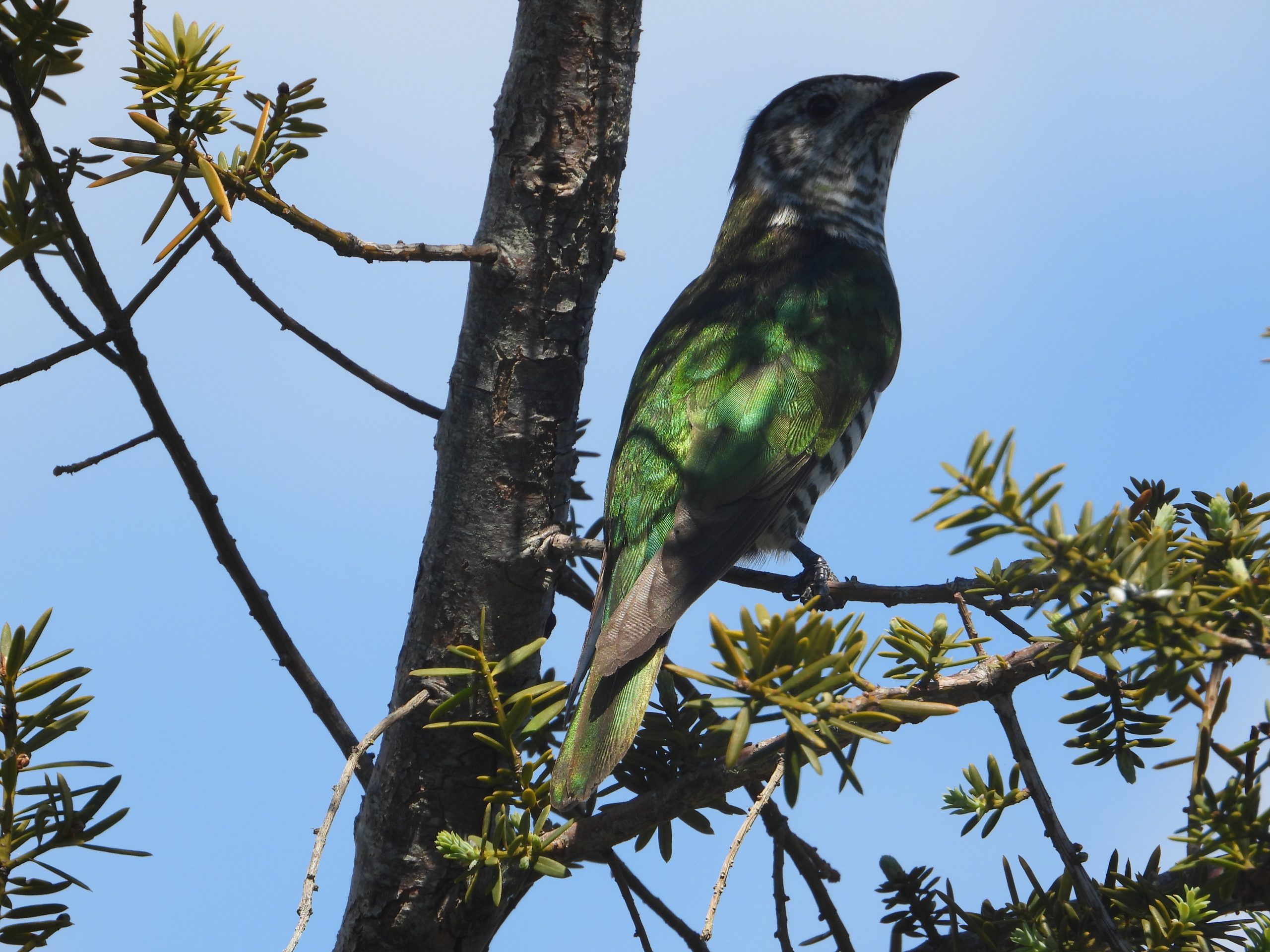
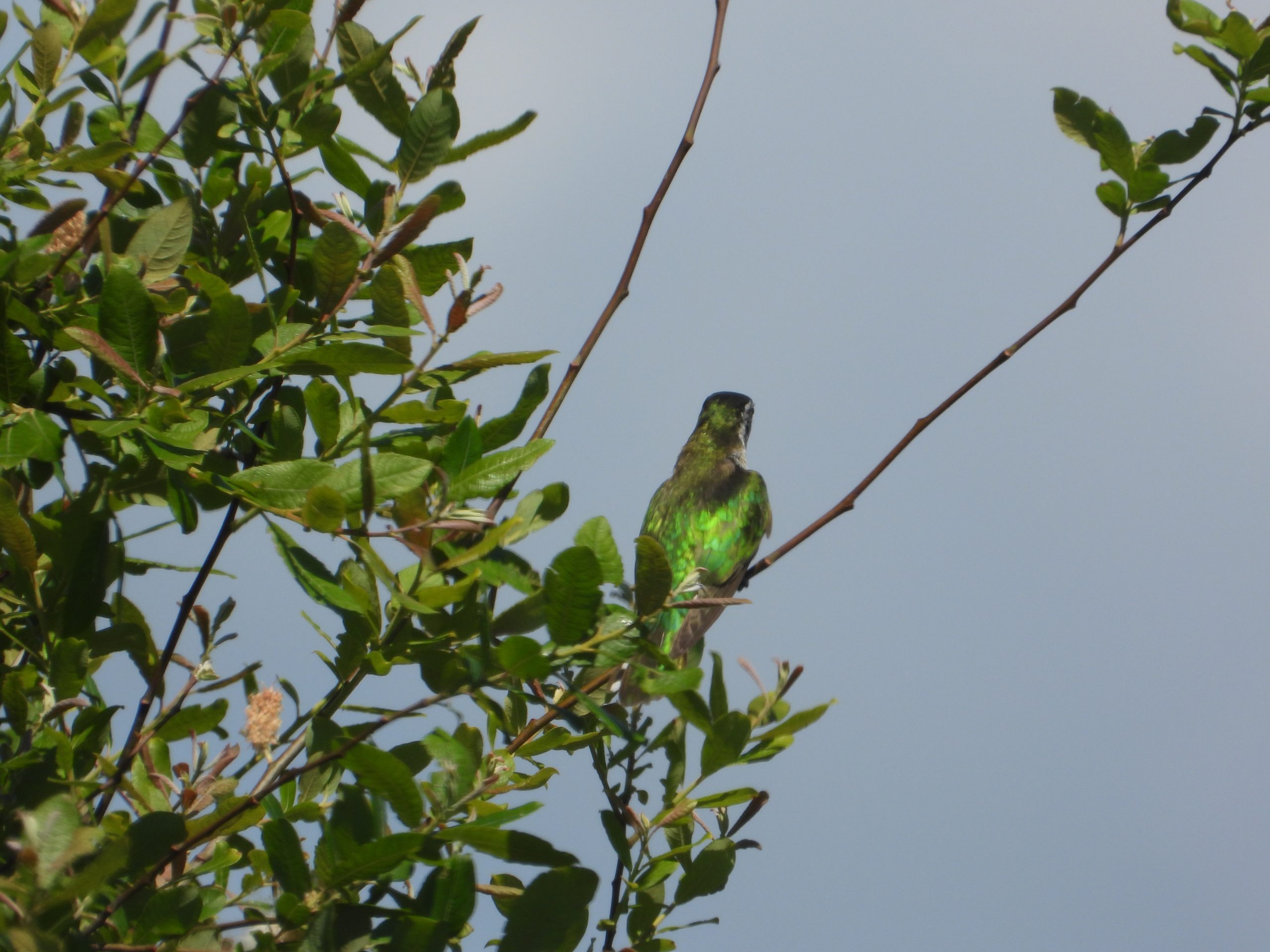
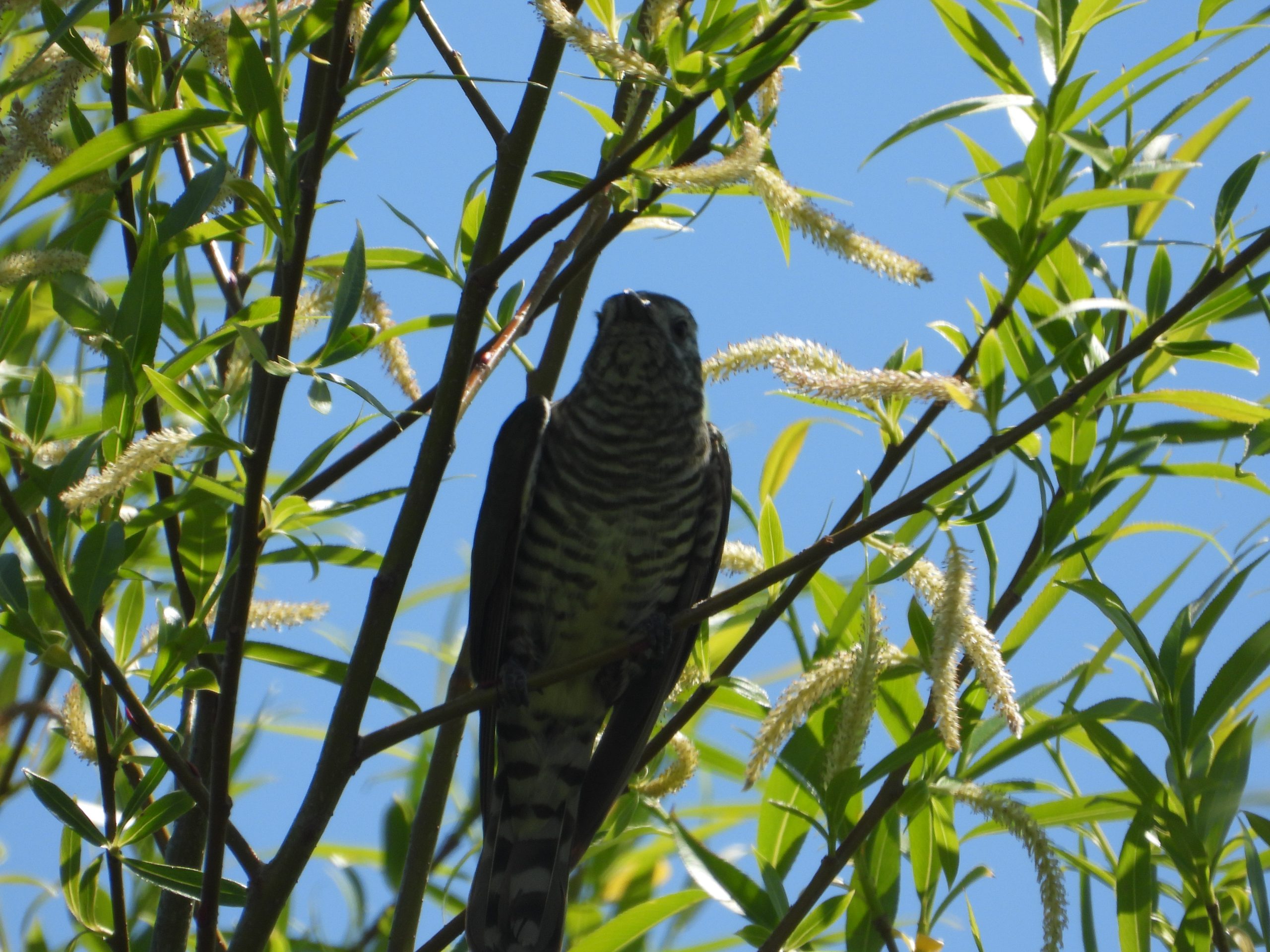
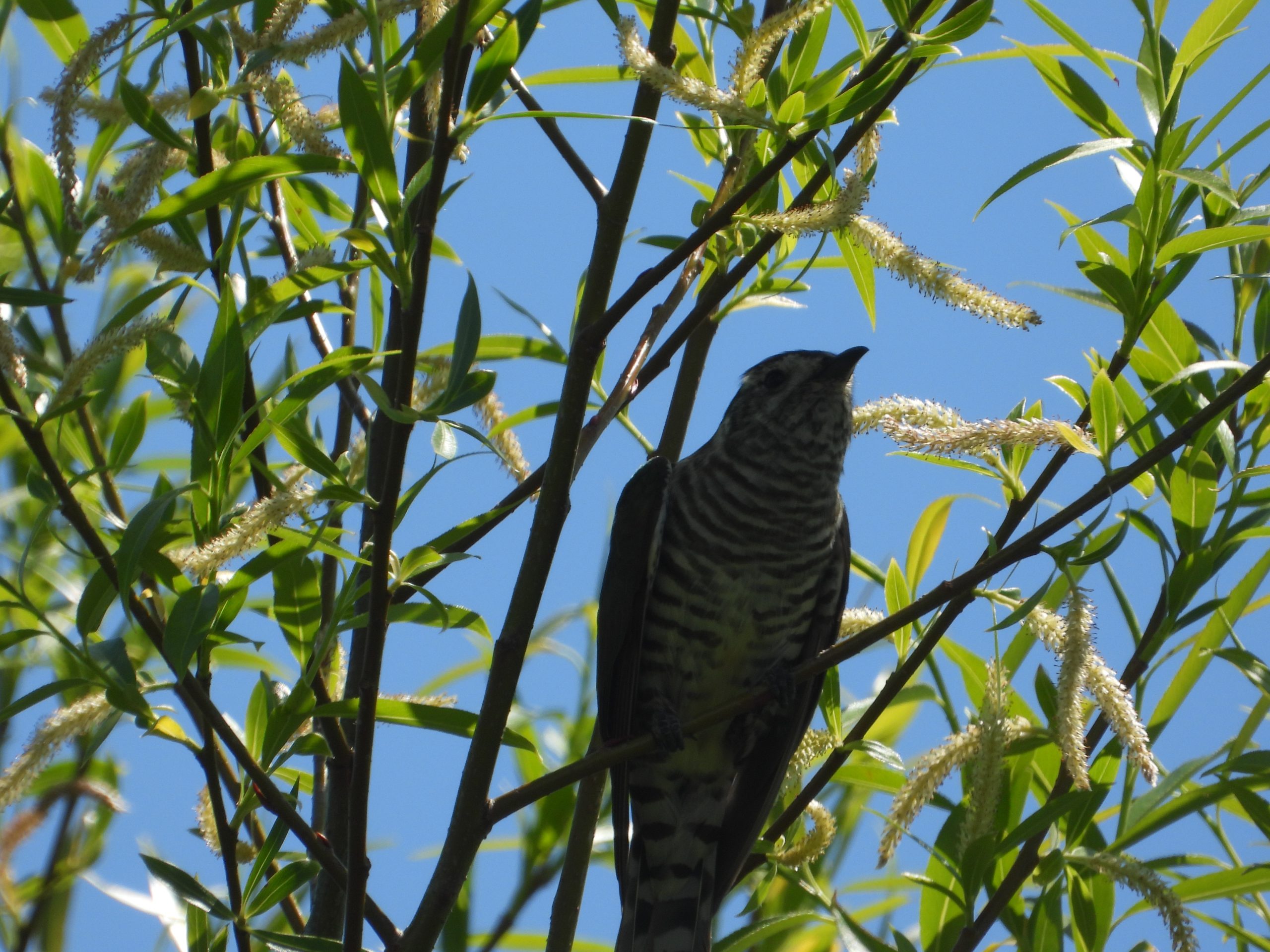
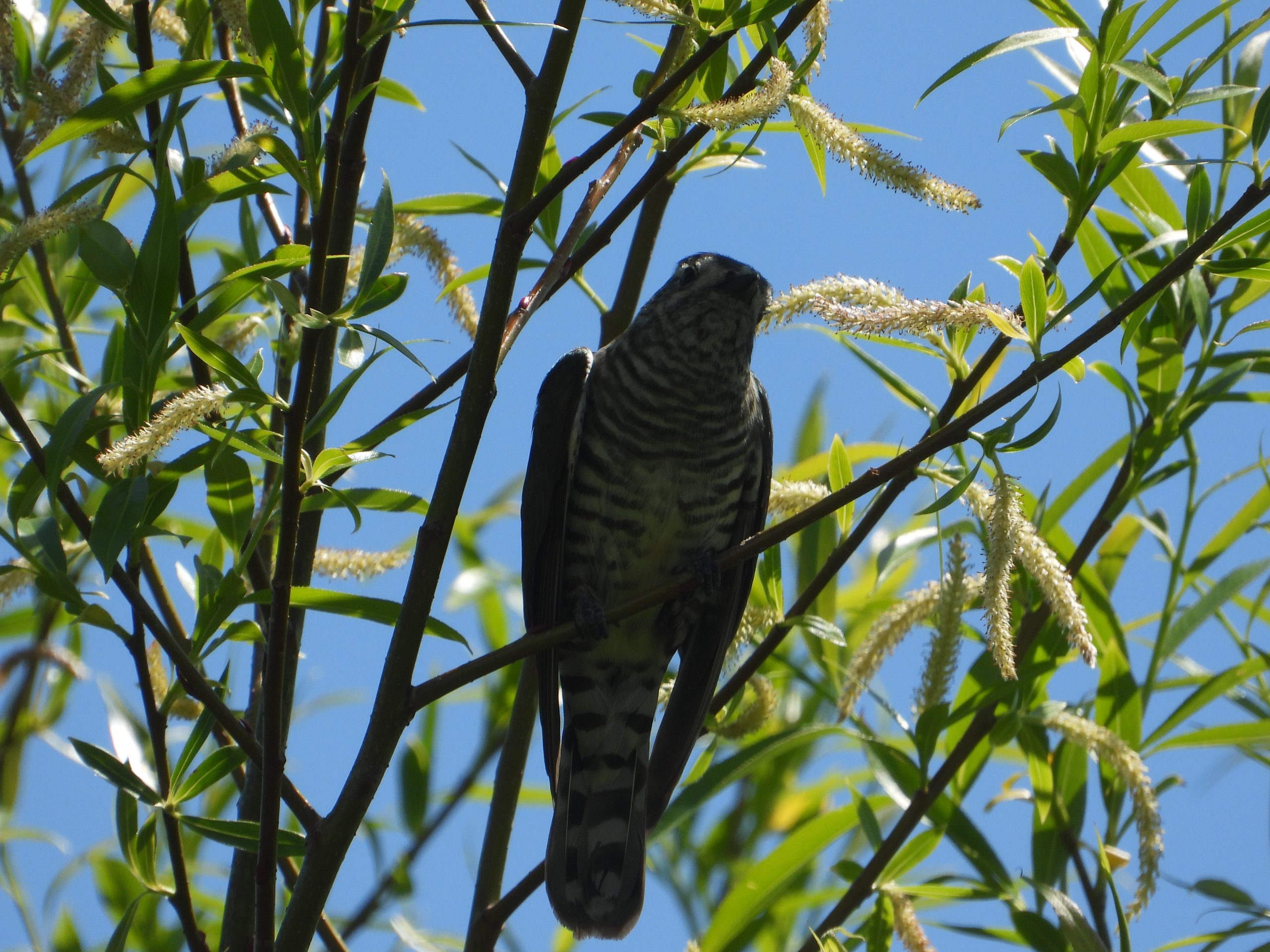
Kōpūrererua Valley Reserve in Tauranga offers one of the best urban opportunities to spot the elusive shining cuckoo, known in te reo Māori as the pīpīwharauroa. This small migratory bird arrives each spring and is more often heard than seen due to its preference for dense foliage.
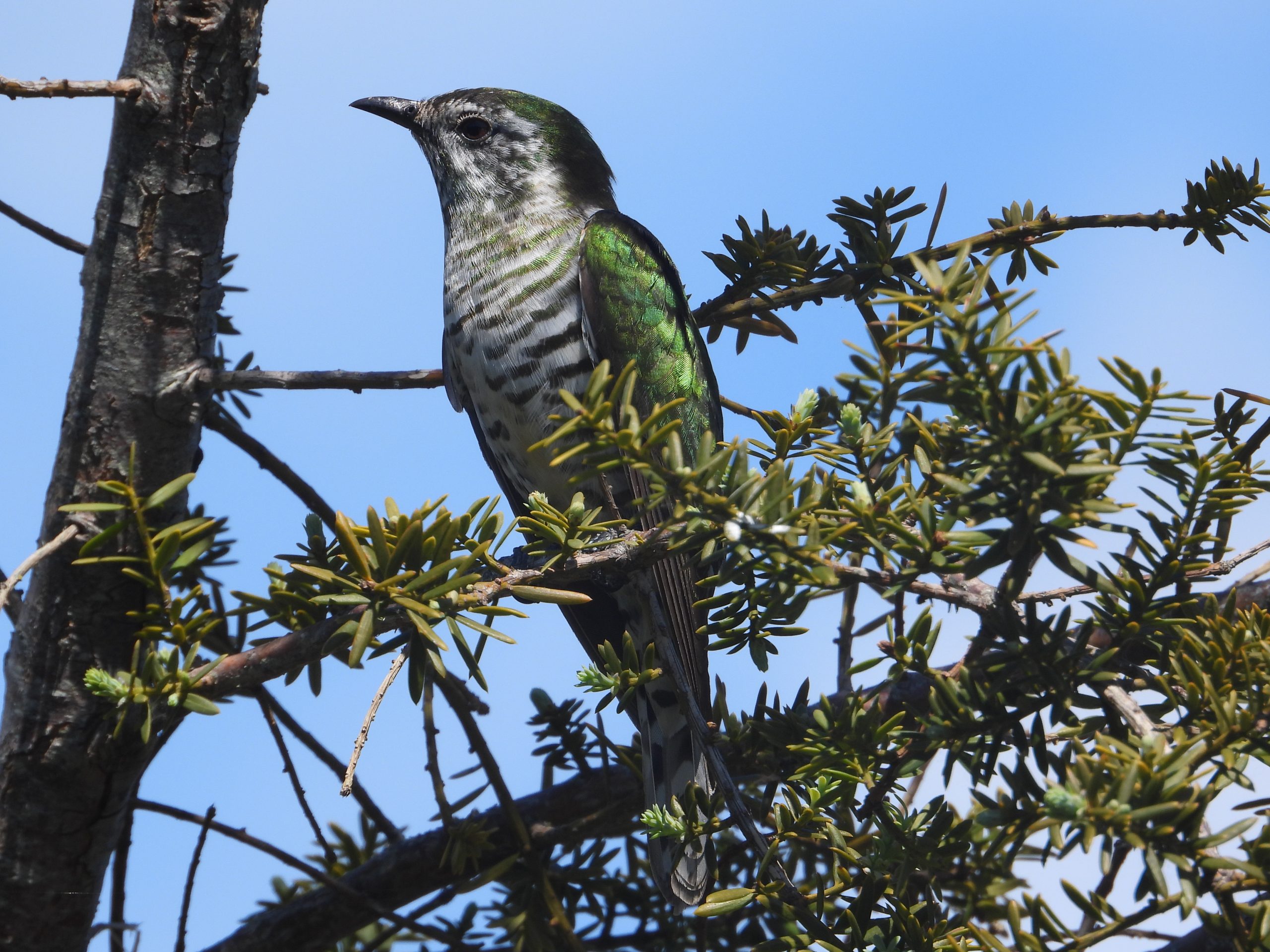
Its iridescent green and bronze plumage and distinctive call make it a rewarding find for patient observers. The reserve’s regenerating bush, wetlands and insect life support the species alongside its host, the grey warbler. Recent stream realignment and habitat restoration have enhanced conditions for native birds here.
Practical Information
- Location
- Kōpūrererua Valley Reserve, Tauranga (inner-city reserve running from Judea to Tauriko)
- Size
- 364 hectares
- Best time for shining cuckoo
- September to February
- Access
- Multiple entry points with walkways and cycle paths; free public access
- Facilities
- Tracks, wetlands, regenerating native bush
- Status
- Open daily; ongoing restoration work
About the Shining Cuckoo
The shining cuckoo (Chalcites lucidus) is New Zealand’s only long-distance migratory land bird. Adults measure 13–18 cm in length and display iridescent dark green upperparts that can appear bronze or purplish in sunlight, with white underparts bearing dark barring.
They do not build nests and instead lay eggs in the dome-shaped nests of grey warblers (riroriro), a behaviour known as brood parasitism.
The birds migrate from wintering grounds in the Solomon Islands and New Guinea, travelling approximately 4,600–6,000 km each way. They typically arrive in New Zealand around September, announced by their rising and falling whistle calls, and depart in autumn. They occur wherever grey warblers are found, including forests, scrub and urban reserves.
Kōpūrererua Valley Reserve provides suitable habitat with its mix of native bush, wetlands and insect-rich areas. eBird records confirm shining cuckoo sightings at the reserve, supporting its value as a local hotspot.
Kōpūrererua Valley Reserve
This 364-hectare inner-city reserve is Tauranga’s largest urban green space. It features regenerating bush, wetlands and farmland remnants bordered by suburbs including Gate Pā and Greerton. The valley holds cultural significance as a former home of Ngāi Tamarāwaho, with archaeological sites including Puketoromiro Pā.
Restoration began in 2022 with major stream realignment completed by 2024, improving water flow and creating new wetlands and cycle paths. These works enhance habitat for native birds and insects that support the shining cuckoo.
How to Spot a Shining Cuckoo
Listen for the high-pitched, rising-then-falling whistle, especially at dawn or dusk. Focus on dense canopy in native trees and move slowly and quietly. Binoculars help locate the small bird high in the foliage. Early morning or late afternoon light improves chances of seeing the iridescent colours.
Conservation
Shining cuckoos benefit from predator control targeting rats, stoats and possums, as well as habitat restoration. Local efforts in Kōpūrererua Valley support breeding success and insect food sources for the species.
Where to Learn More
NZ Birds Online: Detailed species profile including identification, calls and migration data.
Tauranga City Council: Official information on Kōpūrererua Valley Reserve access, history and restoration.
eBird: Recent bird sightings and checklists for Kōpūrererua Reserve.
Frequently Asked Questions
When do shining cuckoos arrive in Tauranga?
They typically arrive from September each year.
Where is the best place to see them in Tauranga?
Kōpūrererua Valley Reserve is a reliable urban location with confirmed sightings.
How big is the shining cuckoo?
Adults measure 13–18 cm in length.
Do shining cuckoos build nests?
No, they are brood parasites that lay eggs in grey warbler nests.
Is Kōpūrererua Valley Reserve open to the public?
Yes, it is a free public reserve with walkways and cycle paths.
What threats do shining cuckoos face?
Habitat loss and predation by introduced mammals such as rats, stoats and possums.
Are there recent habitat improvements at the reserve?
Stream realignment and wetland creation were completed in 2024 as part of ongoing restoration.
Can I photograph shining cuckoos there?
Yes, with patience, binoculars and a zoom lens; early morning light is best.
For more birdwatching opportunities in Tauranga, see related stops throughout the Tauranga walking tracks.
You may also like
Spotted something incorrect on this page? Let us know.